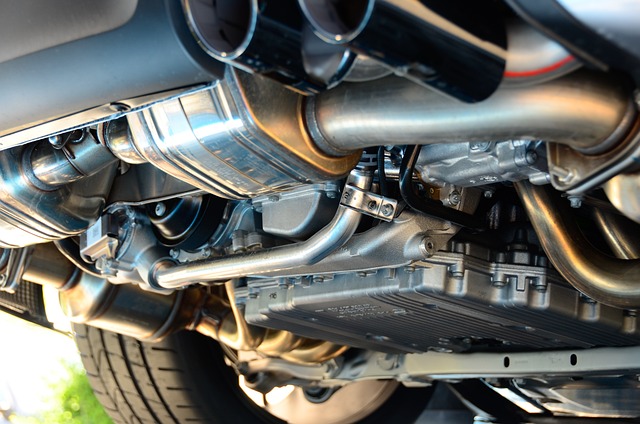
Select Exhaust Systems: A Comprehensive Overview
Introduction
In an era where environmental sustainability and efficient vehicle performance are at the forefront of global discussions, "Select Exhaust Systems" have emerged as a game-changer in the automotive industry. This cutting-edge technology not only enhances engine efficiency but also plays a pivotal role in reducing emissions, contributing to a greener future. In this article, we embark on an exhaustive journey through the world of select exhaust systems, exploring their design, impact, and potential. From their technical intricacies to global implications, readers will gain valuable insights into how these systems are shaping the automotive landscape.
Understanding Select Exhaust Systems: Unveiling the Basics
Definition: Select Exhaust Systems, often referred to as advanced or intelligent exhaust systems, represent a sophisticated evolution of traditional exhaust setups. They employ intricate networks of pipes, valves, and sensors to optimize gas flow, boost engine performance, and minimize environmental impact.
Core Components:
- Exhaust Pipes: The physical structure that facilitates the flow of exhaust gases away from the engine.
- Catalytic Converters: Crucial components that reduce harmful emissions by converting toxic gasses into less dangerous substances.
- Exhaust Valves: These regulate the timing and flow of exhaust gases, allowing for precise control.
- Sensors: Advanced sensors monitor various parameters like air/fuel ratio, temperature, and pressure to optimize system performance.
- Control Unit: The brain of the system, it processes sensor data and adjusts valve positions accordingly, ensuring optimal exhaust efficiency.
Historical Context: The concept of select exhaust systems can trace its roots back to the early 1900s when automotive engineers sought ways to improve engine performance and reduce noise. However, it was in the late 20th century that significant advancements occurred, driven by stringent emission regulations and a growing environmental consciousness. Modern select exhaust systems have evolved through continuous research and development, incorporating cutting-edge technologies like electronic control and advanced materials.
Significance: These systems are vital for several reasons:
- Enhanced Engine Performance: By optimizing gas flow, they can improve torque and power output, leading to better acceleration and overall driving experience.
- Emission Control: They play a critical role in reducing harmful pollutants, such as carbon monoxide, nitrogen oxides, and particulate matter, contributing to cleaner air quality.
- Fuel Efficiency: Select exhaust systems can help engines run more efficiently, leading to improved fuel economy and reduced dependency on fossil fuels.
- Flexibility: Their ability to adapt to different driving conditions makes them suitable for a wide range of vehicles, from performance cars to commercial fleets.
Global Impact and Trends: A World-Wide Revolution
The influence of select exhaust systems extends beyond borders, with key trends shaping their global trajectory:
| Region |
Trends and Impact |
Notable Developments |
| North America |
Stringent emission standards drive the adoption of advanced exhaust systems. Manufacturers are focusing on lightweight materials and electronic control to meet these challenges. |
Companies like Ford and General Motors have invested heavily in R&D, introducing innovative exhaust solutions for their vehicle fleets. |
| Europe |
The European Union's strict emissions regulations have been a significant catalyst for the development and adoption of select exhaust systems. |
German automotive giants BMW and Volkswagen have led the way with cutting-edge exhaust technologies, ensuring compliance while maintaining performance. |
| Asia Pacific |
Rapidly growing economies in this region present both opportunities and challenges. Governments are implementing emission control measures, fostering innovation in exhaust system technology. |
Japanese manufacturers like Toyota and Honda have a head start, offering advanced exhaust systems that balance performance and environmental considerations. |
| Middle East & Africa |
With a focus on sustainable development, governments are encouraging the adoption of eco-friendly technologies. Select exhaust systems are gaining traction as a result. |
In the United Arab Emirates, vehicle emission standards are being implemented, prompting automotive companies to incorporate advanced exhaust solutions. |
These global trends highlight the universal recognition of select exhaust systems' potential in creating a more sustainable transportation future.
Economic Considerations: Market Dynamics and Impact
The economic landscape surrounding select exhaust systems is complex and dynamic, influenced by various factors:
- Market Size: The global exhaust system market was valued at USD 35.6 billion in 2021 and is projected to grow at a CAGR of 7.8% from 2022 to 2030 (Source: Grand View Research). This growth is primarily driven by the increasing demand for cleaner, more efficient vehicles.
- Investment Patterns: Major automotive manufacturers are investing heavily in research and development to create next-generation exhaust systems. For instance, Bosch, a global supplier, has allocated significant resources to advance electronic control technologies.
- Cost Factors: The cost of select exhaust systems varies based on complexity and technology. While basic systems can be relatively affordable, advanced configurations with sophisticated sensors and controls may carry higher price tags.
- Supply Chain: The supply chain for these systems is intricate, involving manufacturers of components like catalytic converters, sensors, and electronic modules. Disruptions in this chain can impact overall production and availability.
Technological Advancements: Pushing Boundaries
The realm of select exhaust systems is constantly evolving, with technological breakthroughs leading the charge:
- Electronic Control: The use of advanced electronics to precisely control exhaust valves and timing has revolutionized system performance. This technology enables real-time adjustments based on varying driving conditions.
- Lightweight Materials: Manufacturers are transitioning from traditional materials like steel to lightweight alternatives like aluminum and carbon fiber composites. This reduces overall vehicle weight, improving fuel efficiency.
- Hybrid and Electric Vehicle Integration: As the electric vehicle (EV) market expands, select exhaust systems are being adapted for hybrid and EV applications. These systems often incorporate unique challenges, such as managing heat dissipation in EVs.
- Sensors and Data Analytics: Advanced sensors with improved accuracy and data analytics capabilities enable more efficient emissions control and predictive maintenance.
- 3D Printing: This additive manufacturing technique is being explored to create complex exhaust components at lower costs, offering design flexibility.
Policy and Regulation: Shaping the Industry
Government policies and regulations play a pivotal role in the development and adoption of select exhaust systems:
- Emission Standards: Strict emission norms, such as Euro 7 and US Tier 4 standards, drive innovation in exhaust technology. Manufacturers must adhere to these standards, pushing them to develop more efficient systems.
- Incentives and Subsidies: Governments worldwide offer incentives for the adoption of low-emission vehicles, encouraging automakers to invest in advanced exhaust systems.
- Safety Regulations: Exhaust systems must also meet safety standards, ensuring they can withstand various driving conditions and prevent leaks that could pose hazards.
- Environmental Impact Assessments: Some regions require lifecycle assessments of vehicles, considering not only emissions but also the environmental impact of production and end-of-life disposal.
Challenges and Criticisms: Overcoming Obstacles
Despite their numerous advantages, select exhaust systems face several challenges:
- Cost: While technological advancements have reduced costs, high initial investment remains a barrier, especially for lower-income consumers. Subsidies and incentives can help address this issue.
- Complexity: The intricate nature of these systems requires specialized knowledge for installation and maintenance, limiting accessibility in certain regions.
- Regulatory Compliance: Keeping up with evolving regulations across different markets can be challenging for manufacturers, leading to potential delays in product development and introduction.
- Environmental Concerns: While select exhaust systems reduce emissions, the production and disposal of certain components raise environmental questions, requiring sustainable practices throughout the supply chain.
Proposed Solutions:
- Government Support: Subsidies, tax incentives, and simplified regulatory frameworks can encourage wider adoption and lower costs.
- Education and Training: Investments in training programs for mechanics and technicians can enhance service accessibility and quality.
- Industry Collaboration: Manufacturers should collaborate to establish standardized protocols, making it easier to navigate diverse market regulations.
- Sustainable Supply Chains: Adopting eco-friendly practices throughout the supply chain will mitigate environmental concerns associated with select exhaust systems.
Case Studies: Real-World Success Stories
1. Tesla's Advanced Exhaust System:
Tesla, the electric vehicle pioneer, has developed a unique exhaust system for its vehicles that sets it apart from traditional manufacturers. Instead of a conventional exhaust, Tesla uses a liquid-cooling system to manage heat dissipation in its EVs. This innovative approach not only enhances performance but also reduces noise levels, contributing to a quieter driving experience. Tesla's system is a testament to how select exhaust technology can be tailored to meet the specific needs of electric vehicles.
2. Volvo's Safety-Focused Exhaust:
Volvo Cars has implemented a safety feature in its exhaust system called the 'Exhaust Gas Recirculation (EGR) Cooler'. This component reduces nitrogen oxide emissions and prevents engine overheating, especially under heavy-load conditions. Volvo's approach demonstrates how select exhaust systems can be engineered to enhance both performance and safety, addressing critical regulatory requirements.
3. Toyota's Hybrid Exhaust Integration:
Toyota's Prius, a pioneer in hybrid technology, showcases the integration of select exhaust systems in hybrid vehicles. The Prius' exhaust system is designed to optimize fuel efficiency and emissions control, leveraging advanced electronics and lightweight materials. This case study highlights how established manufacturers adapt select exhaust technology for specific vehicle types, ensuring optimal performance and environmental benefits.
Future Prospects: Looking Ahead
The future of select exhaust systems holds immense potential, with several growth areas and emerging trends shaping its trajectory:
- Electric Vehicle Dominance: As the EV market continues to grow exponentially, the demand for advanced exhaust systems tailored for electric powertrains will increase. This includes systems focused on managing heat in battery packs and optimizing emissions control in hybrid vehicles.
- Connected Vehicles: The rise of connected and autonomous vehicles (CAVs) will drive the need for real-time data analytics and controlled exhaust systems to support these advanced technologies.
- Sustainable Materials: There will be a growing emphasis on using sustainable and recycled materials in exhaust system components, aligning with global sustainability goals.
- Regulations Focused on Lifecycle Impact: Future regulations may extend beyond tailpipe emissions, considering the entire lifecycle of vehicles, including production, use, and end-of-life disposal. This will necessitate innovative design approaches to minimize environmental impact.
- Global Standardization: Efforts to standardize select exhaust systems across regions could gain momentum, making it easier for manufacturers to meet diverse market requirements.
Conclusion: Navigating the Future of Transportation
Select exhaust systems stand as a testament to human ingenuity and our relentless pursuit of sustainability in transportation. As we look ahead, these systems will play an increasingly crucial role in reducing environmental impact while enhancing vehicle performance. By addressing technological, economic, and regulatory challenges, the global automotive industry is poised for a greener future.
The case studies presented offer a glimpse into the diverse applications and potential of select exhaust technology, serving as valuable insights for manufacturers, policymakers, and enthusiasts alike. As we continue to navigate the ever-evolving automotive landscape, these systems will undoubtedly leave their mark on the way we move and interact with our vehicles.
FAQ Section: Answering Common Queries
Q: Are select exhaust systems worth the investment?
A: Absolutely! While the initial cost may be higher, the long-term benefits include improved fuel efficiency, reduced emissions, and enhanced vehicle performance. Government incentives and subsidies can also make them more affordable.
Q: How do select exhaust systems contribute to cleaner air?
A: These systems employ catalytic converters that convert harmful pollutants into less toxic substances, such as carbon dioxide and water vapor, significantly reducing tailpipe emissions.
Q: Can select exhaust systems improve fuel economy?
A: Certainly! By optimizing gas flow and engine efficiency, these systems can lead to improved fuel economy, reducing the overall cost of vehicle ownership.
Q: Are there any maintenance considerations unique to select exhaust systems?
A: Like any complex system, they require regular maintenance, including sensor calibration and catalytic converter cleaning/replacement. Specialized training ensures proper servicing for optimal performance.
Q: How do select exhaust systems adapt to electric vehicles (EVs)?
A: EV exhaust systems often focus on managing heat dissipation in batteries and optimizing emissions control. Advanced cooling systems and tailored control strategies are employed to meet the unique requirements of electric powertrains.