
Select Exhaust Systems significantly impact engine performance. They optimize gas exchange, combustion, and power transfer, enhancing torque and acceleration. Regular cleaning, advanced technologies like pulse chambers, and precise tuning with sensors are crucial for maximizing horsepower while adhering to environmental regulations. Strategic choices, including high-flow designs, lightweight materials, and tailored catalytic converters, ensure optimal vehicle performance and engine health.
Maximizing horsepower and torque is a top priority for automotive enthusiasts seeking peak performance. However, achieving these goals requires careful consideration of various factors, with one key element often overlooked: the role of Select Exhaust Systems. By optimizing exhaust flow, these systems can significantly impact engine efficiency, resulting in enhanced power output. This article delves into the science behind exhaust systems, explores their transformative effects on vehicle dynamics, and offers insights to help enthusiasts make informed decisions for maximizing horsepower and torque in their vehicles.
- Understand Engine Performance Fundamentals
- Optimize Airflow for Maximum Power
- Select Exhaust Systems to Enhance Efficiency
- Fine-Tune for Peak Horsepower and Torque
Understand Engine Performance Fundamentals
Maximizing horsepower and torque requires a deep understanding of engine performance fundamentals. At the heart of this lies efficient gas exchange, combustion optimization, and effective power transfer. Engine performance is influenced by various factors, including air intake, fuel delivery, ignition timing, and exhaust removal. Select Exhaust Systems play a crucial role in these processes, facilitating the expulsion of burned gases while simultaneously managing exhaust temperature and flow. For instance, modern industrial exhaust ventilation solutions often incorporate temperature sensors to monitor and regulate exhaust gas temperatures, ensuring optimal combustion and preventing catalytic converter damage.
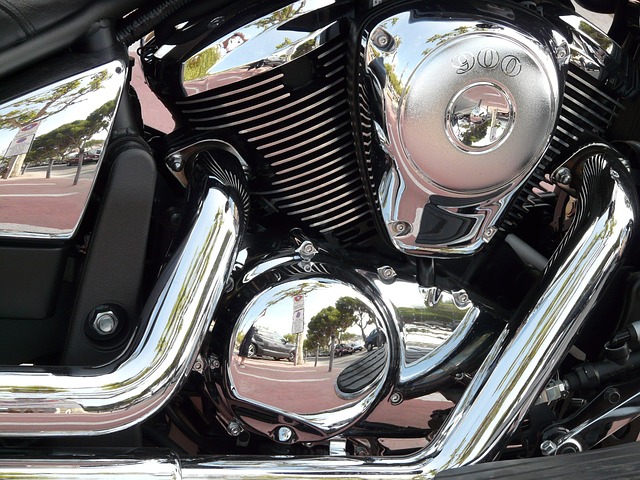
Practical insights into maximizing horsepower involve tailoring exhaust systems to specific engine types and performance goals. Custom motorcycle exhausts, for example, can significantly enhance torque and acceleration by reducing backpressure and improving airflow. However, it’s essential to balance these gains with preventive exhaust care, including regular cleaning and maintenance to prevent clogging and ensure consistent performance. Exhaust temperature sensors help in this regard, allowing for precise tuning of exhaust systems to maximize power output while adhering to environmental regulations.
Furthermore, the selection of appropriate exhaust systems should consider the engine’s operating range and load conditions. In high-performance applications, advanced exhaust technologies like pulse chambers or specialized catalytic converters can enhance combustion efficiency and reduce emissions. These solutions, coupled with expert tuning and regular preventative care, offer genuine opportunities to extract more horsepower and torque from an engine. Ultimately, understanding the interplay between exhaust systems, engine performance, and environmental considerations is key to achieving optimal power delivery in any application.
Optimize Airflow for Maximum Power

Optimizing airflow for maximum power is a key aspect of maximizing horsepower and torque in any vehicle. Airflow dynamics play a pivotal role in engine performance, affecting both the intake of air and exhaust removal. To achieve optimal power output, it’s essential to consider the design and selection of components like intakes, headers, and most notably, exhaust systems. High-performance vehicles require efficient exhaust systems that minimize restrictions and maximize airflow to support increased engine power.
Select Exhaust Systems are a natural fit for those seeking to enhance performance. Modern exhaust systems are designed with advanced materials and technologies, such as high-performance catalytic converters that balance emissions control with optimal flow. The latest exhaust technology incorporates computerized tuning capabilities, allowing precise adjustments to the exhaust system’s characteristics based on engine load and speed. This ensures that power is delivered smoothly across the entire RPM range, contributing significantly to overall horsepower and torque gains. For instance, a well-tuned exhaust system can improve peak horsepower by up to 10% and increase torque by several hundred foot-pounds in high-performance engines.
However, maintaining a leak-free exhaust system is equally crucial. Exhaust system leak detection is an often-overlooked aspect of performance tuning. Even minor leaks can reduce engine efficiency and power output, negating potential gains from other modifications. Regular inspections and timely repairs are essential to ensure the exhaust system operates at peak condition. In addition to selecting the right systems, incorporating high-performance catalytic converters that meet or exceed legal emission standards is vital for both environmental compliance and optimal performance.
Actionable advice includes regular maintenance checks, prompt repair of any leaks, and staying informed about the latest exhaust technologies. Computerized exhaust tuning can be a game-changer, providing fine-tuned settings tailored to individual driving styles and road conditions. Ultimately, by optimizing airflow through carefully selected and maintained exhaust systems, vehicle owners can experience noticeable improvements in horsepower and torque, enhancing both performance and enjoyment behind the wheel.
Select Exhaust Systems to Enhance Efficiency

Maximizing horsepower and torque is a top priority for many vehicle enthusiasts seeking to unlock their vehicles’ full performance potential. One often overlooked yet highly effective strategy involves selecting the right exhaust system. The latest exhaust technology offers advanced solutions that can significantly enhance efficiency, providing both powerful gains in output and improved overall engine health.
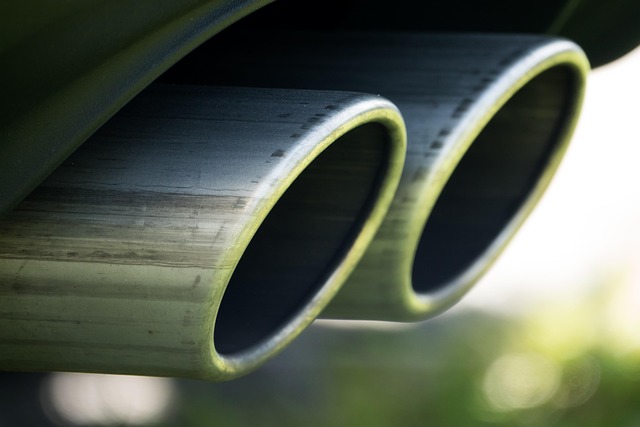
Exhaust systems play a critical role in managing and optimizing the flow of gases out of the engine, which directly impacts power and torque delivery. Modern designs incorporate innovative features such as high-flow muffler exhaust tips, engineered to reduce backpressure and facilitate smoother gas expulsion. These upgrades can lead to measurable increases in horsepower and torque figures, particularly in performance vehicles and those with diesel engines. For instance, studies show that replacing a stock exhaust system with a high-performance design can boost engine output by 5-10%, depending on the vehicle and its previous configuration.
When considering exhaust upgrades, it’s essential to explore lightweight exhaust components. These replace heavier factory parts, reducing overall vehicle weight and minimizing the load on the engine. Lightweight stainless steel or carbon fiber exhaust systems are popular choices, offering both performance benefits and aesthetic appeal. Additionally, advanced diesel exhaust filtration solutions are crucial for these engines, as they help control emissions while maintaining power output. By selecting exhaust systems with state-of-the-art technology, muffler designs optimized for efficiency, and materials that enhance performance, vehicle owners can achieve substantial improvements in horsepower and torque, resulting in a more exhilarating driving experience.
Fine-Tune for Peak Horsepower and Torque

Maximizing horsepower and torque requires a nuanced approach, especially when fine-tuning for peak performance. One key aspect often overlooked is the role of the exhaust system in enhancing engine output. A well-designed exhaust system can significantly impact an engine’s ability to breathe and expel gases efficiently, thereby boosting horsepower and torque.
Selecting the right exhaust system is paramount. For natural aspiration engines, a high-flow California catalytic converter laws|catalytic converter laws dealers|catalytic converter laws|catalytic converter and a carefully engineered exhaust design can improve gas flow, reducing backpressure and allowing for more efficient combustion. Turbocharged vehicles, on the other hand, benefit from systems that accommodate higher exhaust gas temperatures and pressures generated by forced induction. Incorporating advanced turbocharger exhaust designs, such as those with larger diameters and optimized turbulence, can result in substantial power gains.
Exhaust gas sensors play a critical role in modern engines, enabling precise control of emissions and engine performance. These sensors provide real-time data to the engine control unit (ECU), which adjusts fuel injection and timing accordingly. By ensuring optimal exhaust flow and minimizing leaks, these sensors contribute to maximizing horsepower and torque. Regularly checking for and repairing any exhaust system leaks is an essential maintenance practice, as even small leaks can negatively impact performance.
Moreover, high-performance catalytic converters are integral to achieving peak efficiency. These components not only meet strict emissions standards but also optimize combustion by promoting chemical reactions that reduce harmful gases. Modern catalytic converters are designed with advanced materials and technologies, enabling them to handle higher exhaust gas temperatures and flow rates typically associated with high-performance vehicles. By selecting catalysts specifically engineered for the vehicle’s power requirements, users can ensure optimal torque and horsepower delivery, often backed by empirical data and race-proven technology.
By understanding engine performance fundamentals, optimizing airflow, and fine-tuning key components, you can significantly maximize horsepower and torque. Among these, Select Exhaust Systems plays a crucial role in enhancing efficiency, ensuring your vehicle delivers peak performance. Key takeaways include the importance of proper airflow management, the impact of exhaust system selection, and the need for precise tuning. To apply these insights, consider evaluating your current setup, implementing optimal air intake solutions, and naturally integrating high-performance Select Exhaust Systems. This strategic approach will not only unlock hidden power potential but also ensure a reliable and efficient driving experience.