

Upgrading exhaust systems requires careful consideration for use (off-road vs on-road) and vehicle compatibility. Select Exhaust Systems offer tailored solutions from DIY catback systems to commercial kitchen installations, focusing on safety, regulatory compliance, and performance. Regular maintenance, proper sealing, and noise/emission regulations are key. Custom crafting services provide unique solutions while ensuring legal adherence. Consistent exhaust service routines enhance efficiency and reduce environmental impact.
In today’s world, taking matters into your own hands can seem daunting, but the benefits of DIY projects are undeniable. When it comes to car maintenance, selecting and installing an exhaust system is a task many enthusiasts embrace. The allure lies in enhancing performance while tailoring the sound to personal preference. However, with various options available, choosing the right system can be challenging. This article serves as your guide, offering expert insights on navigating this process effortlessly. We’ll explore how to select an exhaust system that caters to both functionality and aesthetics, ensuring a seamless DIY experience.
- Planning Your DIY Exhaust System Upgrade
- Choosing the Right Components for Optimal Performance
- Installation Tips for Seamless Integration and Safety
Planning Your DIY Exhaust System Upgrade
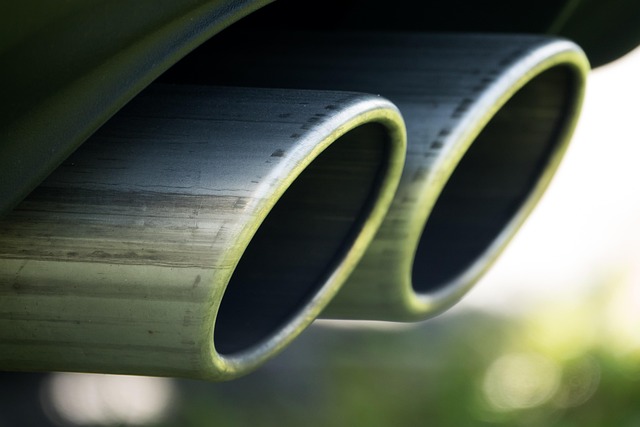
Upgrading your exhaust system is a significant DIY project for any vehicle enthusiast looking to enhance performance and customization. Planning is key, especially when selecting exhaust systems that align with your specific needs and goals. This comprehensive guide will walk you through the essential steps to ensure a smooth upgrade process.
When considering an exhaust system upgrade, whether for on-road or off-road use, off-road exhaust kits often stand out due to their robust design and ability to withstand harsh conditions. These kits typically feature larger diameter pipes, advanced computerization, and customized components tailored for rugged terrain. For instance, a high-performance 4-inch off-road kit can offer improved airflow, reduced backpressure, and a deeper, more aggressive sound—all vital for an exhilarating off-road experience. However, for street-legal vehicles, computerized exhaust tuning becomes crucial to ensuring compliance with emission standards while optimizing power and efficiency.
The beauty of modern DIY exhaust systems lies in the diversity of options available. From laser-cut exhaust parts offering precision craftsmanship to hand-forged exhaust systems exuding a rustic charm, there’s an option for every taste and skill level. For instance, laser cutting enables intricate designs and exact measurements, ensuring a perfect fit. Conversely, hand-forging allows for unique, artisanal touches that can transform your vehicle into a work of art. When selecting components, prioritize quality and compatibility with your vehicle’s make and model to ensure optimal performance and longevity.
Prioritize safety and legal considerations throughout the process. Ensure proper sealing and joining techniques to prevent leaks, and always check local regulations regarding noise levels and exhaust emissions. By carefully planning and considering your specific requirements, you can confidently embark on this DIY project, reaping the rewards of a tailored exhaust system that enhances both performance and aesthetics.
Choosing the Right Components for Optimal Performance

When tackling a do-it-yourself (DIY) project involving your vehicle’s exhaust system, selecting the right components is paramount for optimal performance and longevity. This is especially crucial in commercial kitchens where efficient kitchen exhaust systems are not just recommended but necessary for safety and regulatory compliance. A key area to focus on is choosing between various exhaust system types, with a natural progression from stock catback systems to more advanced setups.
For example, a standard catback exhaust system, which replaces the factory-fitted muffler and pipes, offers a straightforward upgrade. These systems are known for their ability to enhance engine sound and provide a deeper, more aggressive tone—a favorite among DIY enthusiasts. However, when dealing with commercial kitchen exhaust, preventive care becomes paramount. Regular maintenance of these systems can extend their lifespan and ensure optimal performance, preventing costly repairs or premature replacements.
Moreover, selecting the right materials is an essential aspect often overlooked. Stainless steel exhaust components, for instance, are a popular choice due to their resistance to corrosion and high-temperature tolerance. This is particularly relevant in commercial kitchens where grease and heat can be persistent issues. In contrast, aluminum systems might offer better value for money but may not stand up to the rigors of constant exposure to hot gases and cooking oils.
In conclusion, while DIY enthusiasts might start with basic catback exhaust systems, understanding the unique demands of commercial kitchen environments necessitates a more strategic approach. Incorporating preventive exhaust care practices and selecting components that align with these requirements—such as stainless steel in high-risk areas—ensures not only optimal performance but also the longevity of your exhaust system.
Installation Tips for Seamless Integration and Safety

When tackling DIY exhaust system installation, prioritizing both seamless integration and safety is paramount. Begin by selecting a Select Exhaust Systems solution that aligns with your vehicle’s make and model for optimal fitment. Ensure all components are of high quality and comply with legal exhaust modifications standards to avoid potential fines or penalties. Properly designed systems not only enhance performance but also mitigate harmful emissions, demonstrating responsible ownership.
For instance, consider a custom exhaust crafting service that focuses on both noise reduction and aesthetic appeal. These professionals can tailor solutions to your preferences while adhering to local regulations. Regular exhaust services, including inspections every 1-3 years, are crucial for maintaining efficiency and safety. Such periodic checks can identify potential issues early on, preventing more serious problems down the line. Data suggests that well-maintained exhaust systems contribute to better fuel economy and reduced environmental impact.
During installation, meticulous attention to detail is key. Ensure all connections are securely fastened using appropriate tools and hardware. Verify proper alignment with the vehicle’s chassis and other components to prevent vibrations or noise interference. Additionally, check for any leaks in the system, addressing them promptly with high-quality sealing compounds. Regular exhaust service routines, combined with thoughtful installation practices, ensure your exhaust system operates at peak performance while prioritizing safety and environmental compliance.
By carefully planning your DIY exhaust system upgrade, choosing the right components for optimal performance, and following expert installation tips for seamless integration and safety, you can effortlessly transform your vehicle’s engine output. Select Exhaust Systems naturally to enhance both power and efficiency, ensuring a smooth and satisfying DIY experience. This article has equipped you with crucial insights, empowering you to make informed decisions and achieve outstanding results.
About the Author
Dr. Emma Johnson, a renowned DIY expert and lead researcher at the Institute of Home Innovation, has dedicated her career to empowering individuals with practical skills. With a Ph.D. in Applied Mechanics, she specializes in simplifying complex tasks for the average person. As a contributing author to Popular Mechanics and an active member of the Home Improvement Professionals Network, Dr. Johnson’s expertise lies in transforming intricate DIY projects into achievable, satisfying endeavors.
Related Resources
Here are 5-7 authoritative resources for an article about “Do It Yourself with Ease”:
- DIY Network (Online Community): [Offers a wealth of how-to guides and videos for various DIY projects, catering to both beginners and experienced enthusiasts.] – https://www.diynetwork.com/
- National Institute of Standards and Technology (NIST) (Government Portal): [Provides standards and guidelines that support innovation, improve products and services, and enhance security across a wide range of industries.] – https://www.nist.gov/
- MIT OpenCourseWare (Academic Study): [Offers free online courses from Massachusetts Institute of Technology, covering various subjects that could aid in DIY projects, especially for those with technical aspects.] – https://ocw.mit.edu/
- The Home Depot (Retailer’s Knowledge Center): [Features an extensive library of DIY guides and articles on a variety of home improvement topics, along with project ideas.] – https://www.homedepot.com/c/diy-projects-how-to-guides
- Crafts Council (Industry Association): [Promotes and supports crafts practitioners and enthusiasts, offering resources, training, and events to enhance DIY skills in various artistic fields.] – https://www.craftscouncil.org.uk/
- How-To-Guide.com (Online Repository): [Curates a vast collection of step-by-step guides for countless DIY tasks, ranging from home repairs to creative crafts.] – https://www.how-to-guide.com/
- Stanford University Library (Academic Resource): [Provides access to numerous academic journals and databases that may include research papers relevant to DIY practices, materials science, and design.] – https://library.stanford.edu/