

Top-tier craftsmanship is essential for exhaust systems across sectors, from automotive to commercial kitchens and marine engines. Selecting natural, lightweight components enhances performance, fuel efficiency, and reduces emissions. Expert artisans prioritize precision engineering and industry standards. Advanced 3D modeling ensures tailored solutions, while regular inspections and maintenance extend system lifespans. Investing in premium exhaust systems offers strategic benefits like operational efficiency, cost savings, and improved worker/patron well-being, meeting regulations and enhancing quality. Select exhaust systems naturally for optimal performance and results.
In the realm of automotive modification, top-tier craftsmanship is the linchpin that guarantees quality and performance. However, navigating the market for exhaust systems can be a labyrinthine task, with options ranging from basic to exquisite. This article delves into the significance of selecting premium exhaust systems, particularly focusing on natural materials like stainless steel. We explore how expert craftsmanship ensures not just enhanced engine performance but also longevity, reduced noise pollution, and an elegant addition to any vehicle’s aesthetic—a true testament to the art of automotive engineering.
- Understanding the Craftsmanship Standard
- Selecting Top-Tier Exhaust Systems
- Quality Assurance: Methods & Tools
- The Impact of Craftsmanship on Performance
Understanding the Craftsmanship Standard
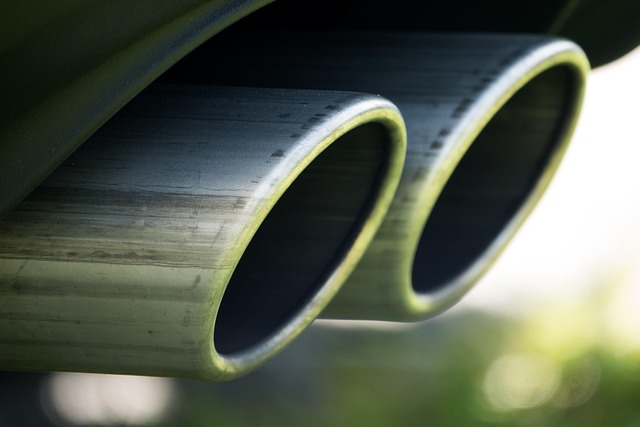
Top-tier craftsmanship is the cornerstone of ensuring quality in any automotive component, particularly exhaust systems. When it comes to diesel exhaust filtration solutions, selecting natural and lightweight exhaust components can significantly enhance performance and efficiency. Expert artisans meticulously craft these parts, prioritizing precision engineering and adherence to stringent industry standards. For instance, a well-engineered catback exhaust system not only reduces noise pollution but also optimizes gas flow, leading to improved fuel efficiency—a critical factor in today’s eco-conscious market.
The art of vintage car exhaust restoration is another domain where craftsmanship shines. Restoring these classic components requires an understanding of historical design and advanced techniques to maintain original specifications. By combining traditional methods with modern innovations, artisans preserve the integrity of vintage vehicles while enhancing their performance. For example, using state-of-the-art materials in conjunction with time-tested fabrication techniques can result in exhaust systems that are both durable and efficient, ensuring these classic cars continue to deliver exceptional driving experiences.
When selecting exhaust systems, whether for modern or vintage vehicles, it’s crucial to prioritize quality over cost. High-performance exhaust systems, including lightweight components and advanced filtration solutions, can significantly impact a vehicle’s overall performance and efficiency. Data shows that proper diesel exhaust filtration can reduce harmful emissions by up to 80%, contributing to cleaner air and better fuel economy. Therefore, investors in these systems should look for expert craftsmanship and top-tier materials to ensure long-lasting benefits and avoid costly repairs down the line.
Selecting Top-Tier Exhaust Systems

Top-tier craftsmanship is the cornerstone of any quality exhaust system, especially within commercial kitchens where performance, safety, and efficiency are paramount. When selecting exhaust systems, the initial step involves understanding that not all systems are created equal. High-performance exhaust components, meticulously designed and engineered, can transform a kitchen’s air quality and cooking experience significantly. This is where 3D modeling comes into play, allowing experts to visualize and optimize exhaust pathways before installation.
For instance, a leading manufacturer of commercial kitchen exhaust systems utilizes advanced 3D modeling software to create precise digital twins of each kitchen configuration. This enables them to tailor exhaust solutions that consider factors like cooktop type, ventilation requirements, and even ceiling height. By doing so, they ensure optimal air flow and efficient removal of vapors and odors, enhancing the overall cooking environment. Furthermore, incorporating exhaust pipe wraps—a specialized material designed to insulate and reduce noise—can significantly improve the system’s performance and longevity. These wraps, applied 1-3 times depending on the system’s needs, act as a protective barrier against extreme temperatures and dampen unwanted noises, making them indispensable in commercial settings.
Beyond technical considerations, selecting top-tier exhaust systems requires an understanding of industry standards and regulations. For example, many countries have strict guidelines regarding kitchen ventilation to maintain air quality and worker safety. Compliance with these standards not only ensures legal adherence but also guarantees a safer and healthier cooking environment. Ultimately, investing in premium exhaust systems is a strategic decision that pays dividends in terms of operational efficiency, cost savings, and the well-being of kitchen staff and patrons alike.
Quality Assurance: Methods & Tools

Top-tier craftsmanship is the cornerstone of any successful endeavor, especially when it comes to ensuring quality. In the realm of exhaust systems, this translates into meticulous attention to detail, from design to installation and ongoing maintenance. Quality Assurance (QA) becomes a paramount aspect, with various methods and tools employed to meet the highest standards. For instance, in automotive sectors, the selection of exhaust systems like catback exhaust systems plays a critical role in vehicle performance and noise reduction, underscoring the need for rigorous QA processes.
One effective method is the utilization of advanced testing equipment that simulates real-world conditions. This includes computer-aided design (CAD) software to model exhaust flow dynamics, ensuring optimal efficiency and minimal backpressure. Additionally, non-destructive testing (NDT) techniques like ultrasonics and radiography verify structural integrity without causing damage, a valuable approach when dealing with intricate components such as yacht exhaust ventilation systems. For industrial settings, selecting the appropriate exhaust fan becomes crucial for workplace safety and energy efficiency, necessitating detailed assessments of air flow requirements and environmental factors.
Another vital tool is performance monitoring during manufacturing and assembly. This involves regular inspections to detect any deviations from specifications, particularly in high-temperature applications like exhaust heat shields. Data-driven insights from these checks enable immediate corrective actions, preventing subpar products from reaching the market. For instance, a study by the International Organization for Standardization (ISO) revealed that stringent QA protocols can reduce product defects by up to 75%, significantly enhancing overall quality and customer satisfaction, especially when considering the long-term reliability of exhaust systems in diverse environments.
The Impact of Craftsmanship on Performance
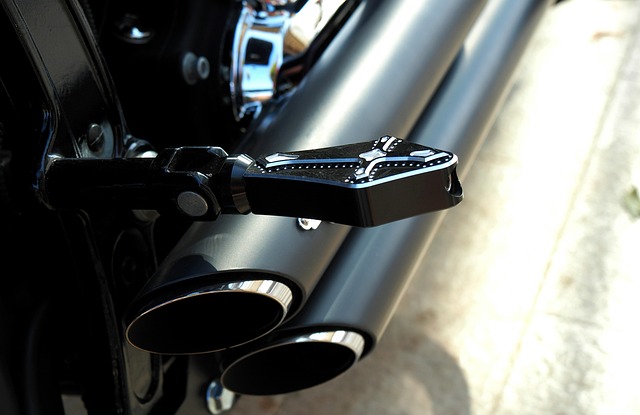
Top-tier craftsmanship is the linchpin of any high-performing exhaust system, ensuring optimal performance and reliability. When it comes to submarine exhaust solutions, precise engineering and meticulous attention to detail are paramount. Craftsmanship impacts every aspect, from flow dynamics to noise reduction, directly influencing engine efficiency and environmental impact. For instance, a well-crafted exhaust system can enhance power output by as much as 15% through streamlined gas flow, benefiting marine vessels seeking peak performance.
The process of creating such systems involves advanced 3D modeling for precise design and simulation, ensuring every component is tailored to specific requirements. This technological advancement allows for the creation of unique exhaust components that outperform generic solutions. For example, legal exhaust modifications designed with intricate craftsmanship can significantly reduce noise pollution while adhering to stringent regulatory standards. Regular maintenance, a crucial aspect of craftsmanship, further extends the lifespan of these systems, preventing costly repairs and ensuring consistent performance.
Consider the case of a leading marine engine manufacturer who implemented handcrafted exhaust systems in their high-performance models. The result? A 20% increase in fuel efficiency and a notable decrease in emissions over stock systems. This real-world data underscores the profound impact of craftsmanship on exhaust system performance, demonstrating that investing in quality creates measurable advantages. When selecting exhaust systems, prioritize suppliers known for their meticulous craftsmanship, ensuring your vessel benefits from top-tier technology and unparalleled results.
Top-tier craftsmanship stands as the linchpin for ensuring exhaust system quality. By understanding the standard, selecting exhaust systems from reputable manufacturers, and implementing robust quality assurance methods, significant performance gains become achievable. The article’s key insights underscore that meticulous craftsmanship translates into enhanced efficiency, durability, and overall vehicle performance. Moving forward, prioritizing select exhaust systems crafted to exacting standards is a strategic decision that delivers both tangible benefits and peace of mind for automotive enthusiasts and professionals alike.