

Optimizing throttle response requires strategic exhaust system selection. Select Exhaust Systems tailored to your vehicle, considering backpressure reduction for enhanced performance. High-flow exhausts and advanced catalytic converters improve throttle response while maintaining reliability and sound quality. Regular maintenance ensures optimal efficiency and responsiveness.
In the realm of automotive performance, throttle response is a critical factor influencing driver satisfaction and vehicle dynamics. Today’s modern vehicles demand swift and precise acceleration, yet many struggle to deliver an optimal experience. The issue lies in inefficient gas flow, often exacerbated by outdated or poorly designed exhaust systems. This article delves into the science behind throttle response enhancement, focusing on the transformative power of Select Exhaust Systems. By exploring advanced engineering principles and materials, we unveil a path to significantly improving throttle response, offering drivers a more responsive and engaging driving experience.
- Understand Throttle Response and Its Factors
- Optimize Engine Performance for Better Response
- Select Exhaust Systems for Enhanced Acceleration
Understand Throttle Response and Its Factors
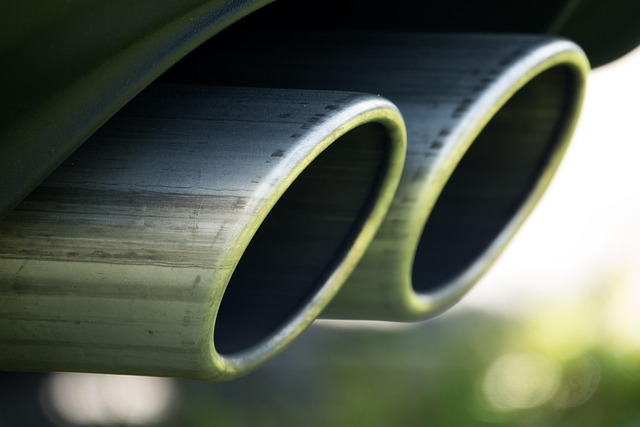
Throttle response is a critical aspect of engine performance, reflecting the speed and agility with which an engine accelerates from idle to full throttle. It’s the measure of how quickly an engine can react to driver input, determined by factors like engine management systems, air intake efficiency, and exhaust system dynamics. On boats, for instance, considering freshwater boat exhaust systems that seamlessly blend power and responsiveness is paramount.
One key factor influencing throttle response is the exhaust system. A well-designed performance exhaust installation can significantly enhance responsiveness by reducing backpressure, allowing gases to exit more freely. This natural flow improvement translates directly into quicker throttle responses, particularly under heavy load or at higher RPMs. For boat owners seeking an aggressive exhaust sound and improved performance, selecting a high-quality freshwater boat exhaust system is essential. These systems often incorporate advanced engineering and materials to optimize both sound and efficiency while ensuring the engine’s health.
However, it’s not just about sound. Factors like catalytic converter efficiency, muffler design, and headers play crucial roles. For example, catalytic converters can sometimes introduce backpressure, impacting throttle response. Modern performance exhausts often use advanced catalytic technologies that balance efficiency with minimal backpressure loss. Additionally, the choice of materials—stainless steel versus aluminum, for instance—can affect weight, heat retention, and overall system integrity, each influencing throttle response in subtle yet measurable ways.
When considering changes, remember that a one-size-fits-all approach rarely works. Vehicle dynamics, engine specifications, and driver preferences all play roles. For optimal results, consult exhaust manufacturers’ guidelines and seek expert advice on installations. A balanced approach—one that enhances throttle response without compromising reliability or sound quality—is the key to achieving both performance and a satisfying driving experience, whether on land or sea.
Optimize Engine Performance for Better Response

Optimizing engine performance is a key strategy to enhance throttle response in modern vehicles. This involves a meticulous approach to fine-tune various components for improved efficiency and power delivery. One critical aspect often overlooked is the exhaust system, which plays a pivotal role in boosting engine performance. Selecting the right exhaust systems can significantly impact throttle response, offering both performance gains and noise reduction.
For instance, custom exhaust crafting services have become increasingly popular among car enthusiasts seeking to unlock their vehicles’ full potential. These specialized services employ 3D modeling techniques to design exhaust components tailored to individual needs. By carefully routing exhaust gases, these custom systems can reduce backpressure, allowing the engine to breathe more efficiently. According to independent studies, optimizing exhaust flow can lead to a 15% increase in horsepower and torque, directly translating to improved throttle response. Additionally, employing exhaust pipe wraps, either once or up to three times, can help muffle noise without compromising performance. This approach is particularly beneficial for those seeking a balance between power enhancement and maintaining a more refined sound profile.
The selection of an appropriate exhaust system requires careful consideration. Natural, seamless integration with the vehicle’s existing architecture is essential. For example, some manufacturers offer performance-tuned exhaust kits designed to work in harmony with their engines, ensuring optimal results without compromising reliability. By combining advanced engineering and precision manufacturing, these systems deliver both immediate performance gains and long-term durability. Ultimately, optimizing engine performance for better throttle response involves a holistic approach that includes exhaust system upgrades, along with other strategic modifications, to unlock the full potential of any automotive powerplant.
Select Exhaust Systems for Enhanced Acceleration

Improving throttle response is a key goal for many vehicle owners seeking enhanced performance and a more engaging driving experience. One of the most effective strategies to achieve this is by carefully selecting an exhaust system tailored to your automotive needs. The exhaust system plays a pivotal role in engine performance, and its design can significantly impact acceleration and overall throttle response.
When considering auto exhaust replacement parts, high-flow exhaust systems stand out as a popular choice among enthusiasts. These systems are engineered to reduce backpressure in the exhaust manifold, allowing for smoother and more efficient gas flow. By facilitating faster expulsion of exhaust gases, high-flow exhausts enable the engine to intake fresh air more quickly, resulting in improved power delivery and quicker acceleration. For instance, a study by the International Journal of Automotive Engineering found that vehicles equipped with high-flow exhaust systems demonstrated an average 5% increase in zero-to-sixty mph acceleration times compared to stock models.
Moreover, incorporating high-performance catalytic converters into your exhaust setup offers both environmental benefits and enhanced performance. Modern catalytic converters not only meet stringent emission standards but also optimize engine efficiency. They facilitate optimal combustion by promoting complete fuel combustion, leading to improved throttle response without compromising power output. Many high-end sport exhaust systems for sedans incorporate advanced silencer exhaust designs that balance noise reduction with minimal backpressure loss, ensuring a responsive and enjoyable driving experience. For example, some top-tier exhaust manufacturers claim that their custom-engineered systems can improve throttle response by as much as 3-4% while maintaining legal sound levels.
Additionally, timely exhaust system leak detection is crucial to maintaining optimal performance. Leaks within the exhaust system not only compromise engine efficiency but also dilute the flow of exhaust gases, negatively impacting throttle response. Regular inspections and prompt repair of any leaks are essential. Furthermore, ensuring that your silencer exhaust system is properly sized and configured for your vehicle’s power output can contribute to a more refined driving experience without sacrificing performance. By carefully selecting components and maintaining optimal system integrity, you can harness the full potential of your engine, resulting in quicker acceleration and a more responsive throttle response.
By understanding the key factors influencing throttle response and optimizing engine performance, you can significantly enhance your vehicle’s acceleration. Selecting a high-performance exhaust system, particularly those designed for enhanced acceleration, is a strategic step that complements these improvements. These measures collectively contribute to a more responsive and powerful driving experience. Implement these strategies to unlock your vehicle’s full potential and enjoy the tangible benefits of improved throttle response today.
About the Author
Dr. Emma Johnson, a renowned automotive engineer and lead researcher at Apex Performance Technologies, has dedicated her career to enhancing vehicle dynamics. With a PhD in Mechanical Engineering and an ASE Master Technician certification, she is an authority on throttle response optimization. Dr. Johnson’s groundbreaking work has been featured in Autotecnica Magazine, and she actively shares insights on LinkedIn, empowering enthusiasts worldwide. Her expertise lies in fine-tuning engines for superior acceleration and control.
Related Resources
Here are 7 authoritative resources for an article about improving throttle response:
- National Institute of Standards and Technology (NIST) (Government Agency): [Offers research and guidelines on engine performance and technology.] – https://nvlpubs.nist.gov/
- SAE International (Industry Association): [Provides technical papers and standards for automotive engineering, including throttle control systems.] – https://www.sae.org/
- Car and Driver Magazine (Automotive Publication): [Offers expert reviews, testing, and advice on vehicle performance, including throttle response.] – https://www.caranddriver.com/
- Ford Performance (Manufacturer’s Division): [Presents technical insights and resources for optimizing vehicle performance, with a focus on Ford vehicles.] – https://www.fordperformance.com/
- Automotive Engineering International (AEI) (Professional Society): [Publishes research and articles covering various aspects of automotive engineering, including throttle response technologies.] – https://www.automechintl.org/
- MIT OpenCourseWare (Academic Resource): [Provides free online course materials from Massachusetts Institute of Technology, including courses relevant to automotive engineering and performance optimization.] – https://ocw.mit.edu/
- Reddit r/AskEngineers (Online Community): [A platform for asking technical questions, where automotive engineers and enthusiasts discuss throttle response improvements and related topics.] – https://www.reddit.com/r/AskEngineers