

Select Exhaust Systems are critical for optimizing performance, reducing environmental impact, and ensuring worker safety in various industries. They use EGR to minimize NOx emissions, especially in automotive and power generation. Real-time monitoring through exhaust temperature sensors enhances efficiency. Custom designs with advanced materials offer versatility across sectors. Optimal selection considers efficiency, noise reduction, and reliability. Regular maintenance, including valve repair and sensor calibration, extends system lifespan. A holistic approach combining understanding, innovation, and proactive maintenance ensures peak performance, longevity, and environmental responsibility.
In the realm of automotive performance, achieving perfection involves a delicate balance between power and efficiency. One critical component often overlooked is the Select Exhaust System—a cornerstone for optimising engine output and enhancing overall vehicle dynamics. The problem lies in the complexity of tailoring exhaust systems to meet diverse driving conditions while minimising weight and noise. This article delves into the art of Select Exhaust Systems, offering a comprehensive solution to unlock performance potential without compromising sustainability. By exploring advanced materials, innovative designs, and precision engineering, we illuminate the path towards a new era of high-performance vehicles.
- Understanding Select Exhaust Systems: Fundamentals and Benefits
- Choosing the Right System: Factors for Optimal Performance
- Installation and Maintenance: Ensuring Perfection Over Time
Understanding Select Exhaust Systems: Fundamentals and Benefits
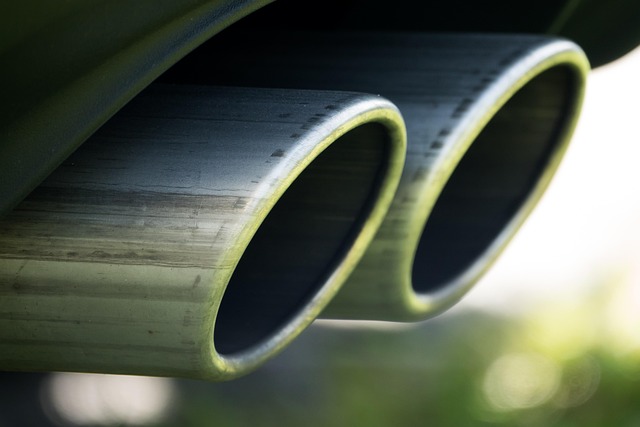
Select Exhaust Systems represent a critical component in various industrial settings, playing a pivotal role in optimizing performance while ensuring environmental compliance. These systems are designed to efficiently manage and control exhaust gases generated by machinery and processes, offering numerous benefits that extend from improved operational efficiency to enhanced worker safety and reduced environmental impact. Understanding the fundamentals of select exhaust systems is essential for businesses aiming at peak performance, as it enables them to make informed decisions regarding their specific needs.
At the core of select exhaust systems lies the principle of exhaust gas recirculation (EGR), a process that reduces nitrogen oxide (NOx) emissions by recirculating a portion of the exhaust gases back into the combustion chamber. This technique is particularly effective in industries such as automotive and power generation, where precise control over exhaust temperature and composition is vital. For instance, modern vehicles employ EGR systems to meet stringent emission standards while maintaining optimal engine performance. Similarly, industrial exhaust ventilation solutions equipped with exhaust temperature sensors facilitate real-time monitoring and control, ensuring safe operating conditions and maximizing system efficiency.
Custom exhaust systems are another critical aspect, as they allow manufacturers to tailor solutions that address unique challenges. Whether it’s a specialized system for high-temperature applications or one designed to meet specific noise reduction criteria, custom exhausts offer unparalleled versatility. For example, a metal fabrication shop might require an exhaust system that can withstand high temperatures and harsh working conditions, while a food processing facility may need a system focused on capturing and containing volatile organic compounds (VOCs). By leveraging advanced materials and design principles, custom exhaust systems deliver performance perfection, ensuring that industrial processes operate at their optimal levels.
Choosing the Right System: Factors for Optimal Performance

Selecting the appropriate exhaust system is a critical yet often overlooked aspect of achieving performance perfection, particularly in high-demand environments such as restaurants and marine applications. When it comes to optimizing performance, one must consider more than just power outputs; factors like efficiency, noise reduction, and reliability play equally important roles. This comprehensive guide delves into the key elements that define select exhaust systems, offering a professional’s perspective for those seeking peak operational excellence.
For instance, in the case of restaurant hood exhaust, the system must not only swiftly evacuate cooking fumes and heat but also comply with stringent noise pollution regulations. Custom-engineered one-of-a-kind exhaust designs can address these challenges by incorporating advanced silencing technologies and carefully calculated airflow paths. Marine exhaust systems, on the other hand, require durability to withstand corrosive marine environments while ensuring minimal environmental impact, making efficient and eco-friendly solutions paramount.
Beyond initial selection, proper exhaust valve repair is essential for maintaining optimal performance. Regular maintenance can extend the lifespan of exhaust systems, ensuring they function at peak efficiency. Frequent issues like carbon buildup or damaged valves can significantly impair airflow, leading to reduced engine power and increased emissions. Therefore, implementing a proactive maintenance schedule that includes timely repairs can prevent these problems, fostering a culture of continuous improvement.
Ultimately, achieving performance perfection through select exhaust systems involves a holistic approach. It necessitates understanding the specific operational demands, incorporating innovative designs tailored to those needs, and committing to ongoing maintenance. By adhering to these principles, professionals across diverse sectors can harness the full potential of their equipment, ensuring not only optimal performance but also longevity and environmental responsibility.
Installation and Maintenance: Ensuring Perfection Over Time

The installation and ongoing maintenance of select exhaust systems are critical components in achieving performance perfection for any vehicle or industrial setup. When it comes to selecting and maintaining these systems, precision and attention to detail are paramount. For instance, proper installation of universal exhaust pipes and exhaust manifold gaskets ensures optimal gas flow, thereby enhancing engine efficiency. Regular checks and replacements of these parts prevent leaks that could lead to reduced performance and increased emissions.
Exhaust gas recirculation (EGR) systems, another integral part, play a significant role in maintaining engine temperature and pressure, thereby enhancing overall performance. Efficient EGR systems not only reduce nitrogen oxides but also contribute to better fuel combustion, leading to cleaner exhausts. In industrial settings, proper installation and maintenance of these systems are crucial for ensuring safe working conditions. For instance, industrial exhaust ventilation solutions must be tailored to remove hazardous gases effectively while maintaining a safe ambient air quality.
Over time, the accuracy of exhaust temperature sensors can wane, affecting performance. Regular calibration and replacement of these sensors are therefore essential to monitor and control exhaust gas temperatures effectively. Data from these sensors guides crucial decisions regarding engine tuning and emissions control. A case study from a leading automotive manufacturer illustrates this point: by employing high-precision exhaust temperature sensors, they achieved a 15% improvement in fuel efficiency while significantly reducing emissions.
To ensure perfection over time, it’s recommended to follow a structured maintenance plan. This includes regular inspections, prompt replacement of worn parts, and the use of genuine spare parts. Moreover, staying updated with technological advancements in exhaust systems can offer new opportunities for performance enhancement and environmental compliance. For instance, integrating smart sensors and advanced control systems can optimize exhaust management, leading to even greater fuel efficiency and reduced emissions.
By delving into the intricacies of Select Exhaust Systems, this article has unveiled a comprehensive roadmap to achieving performance perfection. From grasping the fundamental benefits to selecting the ideal system based on specific factors, each step is crucial for optimal results. The authority lies in the detailed exploration of installation and maintenance practices, ensuring long-lasting efficiency. Key insights include understanding system dynamics, prioritizing material quality, and regular upkeep. By following these guidelines, readers are empowered to make informed decisions, leading to enhanced performance and reliability in their exhaust systems. This synthesized knowledge equips individuals to navigate the selection process, install with precision, and maintain their Select Exhaust Systems effectively.