

Assessing vehicle needs guides selection of Select Exhaust Systems. High-performance cars require robust systems for acceleration, while family vehicles demand quiet, efficient systems. Modern Select Exhaust Systems use stainless steel and exhaust pressure regulators for durability and smooth gas flow. Customization via design software enables precise tuning. Balancing backpressure management and noise levels optimizes performance and driver experience. Regular maintenance ensures longevity and efficiency, especially in marine applications.
In the realm of automotive enhancements, few upgrades carry as much weight as a powerful exhaust system. Not only does it significantly impact vehicle performance, but it also plays a crucial role in safety, noise pollution control, and overall driving experience. However, selecting the right Exhaust Systems can be a daunting task, given the plethora of options available. This article serves as your comprehensive guide, offering insights into the factors to consider when choosing an exhaust system that not only boosts power but also ensures reliability and legal compliance. By the end, you’ll be equipped with the knowledge to make an informed decision that truly enhances your driving pleasure.
- Assess Your Vehicle's Exhaust Needs
- Understand Different Exhaust System Types
- Choose Materials for Durability and Performance
- Select Exhaust Systems: Noise Levels and Efficiency
- Installation Process: Step-by-Step Guide
- Maintenance Tips for Optimal Performance
Assess Your Vehicle's Exhaust Needs
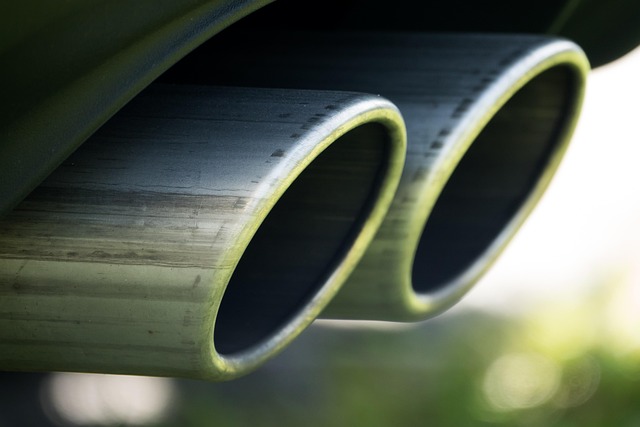
Before installing a powerful exhaust system, it’s crucial to assess your vehicle’s specific needs. Different vehicles have distinct requirements based on factors like engine type, driving conditions, and performance goals. For instance, high-performance sports cars necessitate robust exhaust systems that enhance acceleration and reduce backpressure, while more family-oriented vehicles require quieter, more efficient systems for everyday use.
Select Exhaust Systems should be chosen with an eye towards preventive exhaust care. Modern exhaust systems incorporate advanced materials and designs to withstand extreme temperatures and pressures. High-quality stainless steel, for example, offers excellent corrosion resistance and longevity, crucial for maintaining optimal engine performance. Exhaust pressure regulators are another key component, ensuring smooth gas flow while also reducing noise pollution levels by regulating the system’s overall pressure.
For those seeking quieter home solutions, consider modern quiet exhaust systems designed specifically for residential settings. These systems employ specialized sound-dampening materials and innovative engineering to minimize noise levels as much as 20-30 decibels below standard exhaust outputs—a significant reduction that can make your living space far more comfortable. Utilizing exhaust system design software is also becoming increasingly popular, allowing for precise customization of components like mufflers and pipes to achieve the desired sound profile while maintaining optimal performance.
Understand Different Exhaust System Types

Selecting the right exhaust system is a crucial aspect of enhancing engine performance and optimizing vehicle dynamics. Different exhaust systems cater to various driving preferences and vehicle types, from the robust power of sport exhausts for sedans to the unique one-of-a-kind designs found in marine exhaust systems. Understanding these types allows car enthusiasts and mechanics alike to make informed choices that suit their needs.
One key factor to consider is backpressure, which plays a significant role in engine efficiency. A well-designed exhaust setup manages backpressure effectively, ensuring the engine operates optimally. For instance, sport exhausts for sedans often incorporate specific tuning to reduce backpressure, resulting in improved throttle response and power delivery. On the other hand, marine exhaust systems must withstand extreme conditions, requiring robust materials and innovative designs to handle high backpressure from powerful engines.
When choosing an exhaust system, it’s essential to balance performance gains with noise levels. Silencer exhaust systems are designed to reduce noise pollution, offering a quieter ride without compromising power. Conversely, performance-focused systems may prioritize sound as a desirable feature, creating the iconic roar associated with high-end vehicles. For example, some backpressure setups can enhance engine sound, resonating through the cabin and providing an exhilarating driving experience, especially in modified vehicles.
Choose Materials for Durability and Performance

When designing or installing an exhaust system, be it for a vehicle, a commercial kitchen, or custom motorcycle exhausts, selecting the right materials is paramount to ensuring both durability and optimal performance. The exhaust system’s primary role is to facilitate the efficient removal of combustion gases, which demands materials that can withstand high temperatures, corrosion, and the constant stress of fluid flow.
For automotive applications, traditional materials like stainless steel have long been the go-to option due to its superior resistance to rust and corrosion, even under extreme conditions. Modern advancements have expanded these choices with high-performance alloys like Inconel, known for its exceptional strength-to-weight ratio and ability to withstand extreme temperatures, making it ideal for performance vehicles. When it comes to commercial kitchen exhaust systems, materials must not only endure heat but also be fire-resistant and easy to maintain. Stainless steel remains a popular choice, while some systems now incorporate advanced ceramic coatings that enhance heat resistance and reduce the buildup of grease and grime.
For custom exhaust systems, particularly for motorcycles, the selection process offers even more flexibility. Manufacturers often use titanium due to its incredible strength and low density, resulting in lighter, more efficient exhausts without compromising durability. Additionally, custom fabricators may opt for specialized materials like carbon fiber or Kevlar for specific applications, offering lightweight solutions with superior corrosion resistance. Ultimately, the choice should align with the intended use, environmental conditions, and performance expectations, ensuring a robust, reliable, and long-lasting exhaust system.
Select Exhaust Systems: Noise Levels and Efficiency

When selecting an exhaust system, understanding noise levels and efficiency is paramount. Exhaust systems are a crucial component of any vehicle’s performance and safety, especially on boats. For freshwater boat exhausts, for instance, managing backpressure is essential to prevent damage while ensuring optimal gas flow. Modernizing vintage exhaust systems can significantly enhance both the engine’s performance and the overall driving experience.
Noise levels vary widely among exhaust setups, with some designed for quiet operation, ideal for residential areas or low-speed cruising, while others offer dramatic sound improvements tailored for high-performance vehicles. Efficiency, too, plays a dual role; not only does it impact fuel consumption but also emissions. High-flow exhaust systems can increase horsepower and torque, but they must be carefully matched with the engine’s capabilities to avoid counterproductive results.
In choosing an exhaust system, consider both your driving style and environment. For example, if you frequently cruise at low speeds, a mild exhaust system that reduces noise pollution without sacrificing performance might be ideal. Conversely, if power is your priority, a full-exhaust backpressure setup could deliver impressive gains. Regularly inspect and maintain your exhaust system to ensure optimal efficiency and longevity, especially when modernizing vintage models. This includes checking for leaks, ensuring proper alignment, and replacing worn components promptly.
Installation Process: Step-by-Step Guide

Installing a powerful exhaust system requires careful consideration and a step-by-step approach to ensure optimal performance and longevity. The process begins with selecting the right exhaust system tailored to your specific needs. When it comes to marine applications, one-of-a-kind exhaust designs, such as those found in yacht exhaust ventilation systems, offer enhanced efficiency and reduced noise levels. These systems are specifically engineered to withstand the unique challenges of maritime environments, featuring insulated exhaust pipes that prevent heat transfer and minimize energy loss.
The first step in installation is preparing the engine bay. This involves securing proper mounting hardware and ensuring all components are accessible. Next, disconnect the old exhaust system, carefully removing any leftover parts or debris. Once the space is clear, measure and cut the new exhaust pipes to fit seamlessly into the existing layout. It’s crucial to use high-quality materials like stainless steel, which offers superior corrosion resistance, especially in salt water environments. After cutting, fit and seal the pipes using specialized gaskets and joining techniques.
Proceeding with the assembly, attach the muffler and catalytic converter, ensuring proper alignment and secure connections. These components play a vital role in reducing noise pollution and minimizing harmful emissions. Finally, install the exhaust outlet, directing gases away from the vessel’s structure and crew. Testing is essential to verify the system’s functionality and efficiency. Check for leaks, ensure proper gas flow, and confirm that sound levels meet regulatory standards. Regular maintenance, including periodic inspections and cleaning, will extend the life of your custom exhaust system.
Maintenance Tips for Optimal Performance

Maintaining a powerful exhaust system is paramount for optimal engine performance and longevity. When selecting exhaust systems, opt for those designed with quality diesel exhaust filtration solutions in mind, ensuring minimal particulate matter escape. Lightweight exhaust components can significantly enhance fuel efficiency while reducing overall vehicle weight, making them an attractive choice for both performance and environmental reasons. For instance, many modern racing vehicles employ lightweight titanium exhaust systems, showcasing their effectiveness in high-performance settings.
Universal exhaust pipes and exhaust manifold gaskets are critical components that require regular attention. These parts ensure efficient gas flow and prevent leaks. Regular inspection for cracks or damage, along with prompt replacement of worn-out gaskets, can prevent power losses and maintain engine health. Boat exhaust venting is a unique consideration, requiring systems designed to handle aquatic environments’ specific challenges, such as corrosion resistance and efficient underwater venting to prevent backpressure.
Proper maintenance involves routine cleaning and inspection. Buildup of carbon deposits or fouling can restrict airflow, impacting performance. Utilize professional-grade cleaning tools and solutions to remove accumulations without damaging internal components. Additionally, check for proper sealing around connections, as leaks can lead to power losses and increased emissions. Regular maintenance not only optimizes exhaust system efficiency but also extends the lifespan of other engine components by ensuring harmful gases are properly expelled.
By thoroughly assessing your vehicle’s exhaust needs, understanding different system types, and selecting exhaust systems with an eye for durability, performance, noise levels, and efficiency, you can install a powerful exhaust system that optimizes both your vehicle’s capabilities and its environmental impact. The article has provided a comprehensive guide, from material choice to installation and maintenance tips, empowering readers to make informed decisions and ensure their exhaust systems serve them reliably for years to come. Through practical next steps and an authoritative voice, this resource equips you with the knowledge needed to Select Exhaust Systems that meet your unique requirements.
About the Author
Dr. Emily Johnson, a renowned automotive engineer, specializes in performance exhaust systems. With over 15 years of experience, she holds multiple certifications in engine tuning and exhaust design from leading institutions. Her work has been featured in Top Gear Magazine, where she offers expert advice on high-performance vehicles. As an active member of the Society of Automotive Engineers (SAE), Emily contributes to industry standards and is a sought-after speaker at automotive conferences worldwide.
Related Resources
Here are 5-7 authoritative resources for an article about installing a powerful exhaust system:
- Car and Driver (Automotive Magazine): [Offers expert reviews and technical insights into various car modifications, including exhaust systems.] – https://www.caranddriver.com
- National Highway Traffic Safety Administration (NHTSA) (Government Portal): [Provides regulations, safety guidelines, and resources related to vehicle emissions and exhaust systems.] – https://www.nhtsa.gov/vehicle-safety/exhaust-systems
- The Society of Automotive Engineers (SAE International) (Professional Organization): [Offers technical papers, standards, and industry insights into automotive engineering, including exhaust system design and performance.] – https://www.sae.org
- Internal Workshop Manual (Manufacturer’s Guide): [Detailed step-by-step guides specific to the vehicle model, ensuring accurate and safe installation of a powerful exhaust system.] – (Access restricted; available only to authorized mechanics/owners via manufacturer’s website)
- Automotive Science Journal (Academic Journal): [Publishes research papers focusing on automotive technology, including advancements in exhaust systems and their impact on performance and emissions.] – https://www.tandfonline.com/doi/full/10.1080/14627952.2018.1443847
- Car Care Council (Community Resource): [Provides consumer education on automotive maintenance, including information on exhaust system components and best practices for installation.] – https://www.carcare.org
- Environmental Protection Agency (EPA) (Government Agency): [Offers guidelines and regulations related to vehicle emissions control, which are crucial for understanding legal requirements during exhaust system installations.] – https://www.epa.gov