

A well-designed exhaust system optimizes performance, efficiency, and environmental standards for vehicles and industrial settings. Key components include stainless steel pipes, mufflers, and heat shields. Select exhaust systems based on specific needs like flow characteristics or noise levels, matching vehicle make, model, and year for legal compliance. Regular upgrades and maintenance extend lifespan. High-performance systems enhance throttle response, horsepower, fuel efficiency, and reduced emissions. Proper installation, inspection, and troubleshooting ensure optimal benefits and longevity.
In the realm of automotive enhancement, few upgrades stir as much excitement as a well-installed exhaust system. Not only does it contribute significantly to vehicle performance by improving engine efficiency, but it also plays a crucial role in defining the character of your drive—from the subtle hum of a refined machine to the roar of an unbridled beast. However, selecting the right Exhaust Systems is paramount; they must balance power gains with noise levels and durability. This article provides an authoritative guide, delving into the intricacies of exhaust systems, outlining common challenges, and offering practical solutions for optimal performance and peace of mind.
- Understanding Exhaust System Basics: Essential Components
- Identify Your Vehicle's Needs: Factors to Consider
- Select Exhaust Systems: Material and Design Choices
- Installation Process: Step-by-Step Guide for DIYers
- Enhancing Performance: Benefits and Optimization Tips
- Maintenance and Troubleshooting: Ensuring Longevity
Understanding Exhaust System Basics: Essential Components
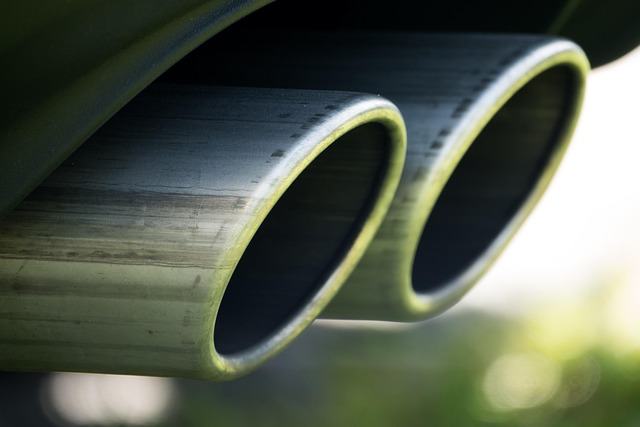
A well-functioning exhaust system is crucial for any vehicle or industrial setup, ensuring optimal performance, efficiency, and environmental compliance. Understanding the basics of an exhaust system begins with appreciating its essential components. The primary function of an exhaust system is to facilitate the expulsion of combustion gases from engines, thereby improving vehicle or machine performance. This involves several interconnected parts working harmoniously.
Central to any exhaust system is the exhaust pipe, which serves as the conduit for hot gases. These pipes vary in material and design depending on the application; stainless steel is commonly used in vehicles due to its corrosion resistance and ability to withstand high temperatures. Additionally, exhaust systems incorporate mufflers, responsible for reducing the noise generated by the escaping gases. Their intricate designs muffle sound waves, ensuring vehicle exhaust doesn’t disrupt local regulations or cause discomfort to drivers and nearby residents. Heat shields, another critical component, protect surrounding components from the intense heat of exhaust gases, preventing potential damage.
When selecting exhaust systems, especially for cars requiring regular car exhaust repairs, it’s vital to consider specific needs. For instance, high-performance vehicles might necessitate sport exhaust systems with enhanced flow characteristics and distinctive sounds. In industrial settings, the focus shifts towards robust industrial exhaust fan selection capable of handling large volumes of gases. Moreover, exhaust pipe wraps can be employed for insulation, noise reduction, or aesthetic purposes, ensuring both functional efficiency and visual appeal. Regular maintenance, including timely repairs and upgrades, is essential to preserve system integrity and ensure it operates at peak efficiency.
Identify Your Vehicle's Needs: Factors to Consider
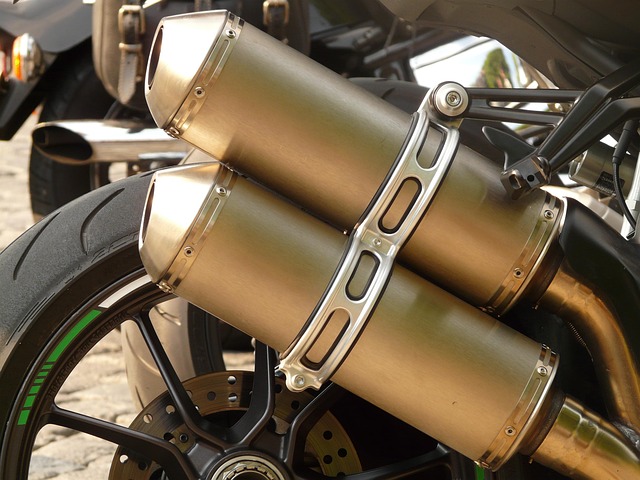
Identifying your vehicle’s specific needs is a crucial step when installing a powerful exhaust system. This process involves several factors that will guide you in selecting the most suitable exhaust systems. Firstly, consider the purpose and driving style—whether it’s for daily commuting or track days—as this dictates the desired sound and performance characteristics. For instance, those seeking an aggressive exhaust sound for enhanced sporty driving may opt for a system with optimized flow restrictions and specific tuning to produce a deeper, more resonating tone.
Vehicle make, model, and year are also essential considerations. Different cars have unique exhaust layouts due to varying engine positions, packaging, and design constraints. Customizing an off-the-shelf exhaust system to fit these nuances can be challenging, so many opt for manufacturer-specific systems designed with these factors in mind. Moreover, check your vehicle’s emission standards compliance to ensure the selected exhaust meets legal requirements without compromising performance or requiring costly after-treatments.
Another critical aspect is the environmental climate you operate in. In colder regions, exhaust temperature sensors become essential components, monitoring and adjusting exhaust gas temperatures to prevent excessive heat buildup. These sensors ensure optimal engine performance while adhering to emission standards. Conversely, in warmer climates, considerations shift towards extending exhaust lifespan through carefully designed systems that manage heat dissipation efficiently. Regularly upgrading your exhaust system can also contribute to longer service life, with upgrades every 1-3 years being common practices among enthusiasts.
Select Exhaust Systems: Material and Design Choices

When selecting an exhaust system, understanding material and design choices is crucial for achieving both performance and aesthetics. For those looking to enhance their vehicle’s sport exhaust, the options are diverse. One popular approach involves installing a high-performance stainless steel exhaust system, renowned for its durability and resistance to corrosion. Stainless steel’s smooth surface also reduces the buildup of residual tar, ensuring optimal gas flow. For instance, laser-cut exhaust parts offer precise engineering and seamless fitment, enhancing both sound and efficiency.
In contrast, hand-forged exhaust systems, while more labor-intensive, exude a unique craftsmanship and vintage appeal. These traditional designs often feature intricate patterns and robust construction, making them suitable for classic car enthusiasts who value authenticity. However, it’s essential to consider the weight addition these systems may bring, which can impact overall vehicle dynamics. Boat exhaust venting, for instance, requires specialized systems designed to withstand aquatic environments, incorporating materials like aluminum or titanium to resist corrosion from salt water.
Additionally, the design of the exhaust system plays a significant role in performance. Sport exhausts for sedans typically incorporate larger diameter pipes and optimized muffler configurations to reduce backpressure, resulting in improved engine efficiency and heightened sound quality. These designs often balance power gains with noise levels, catering to both driving enthusiasts and local regulations. When making your selection, consider not only the material but also the system’s overall architecture, ensuring it aligns with your desired performance characteristics and vehicle type, be it a sleek sedan or rugged boat.
Installation Process: Step-by-Step Guide for DIYers
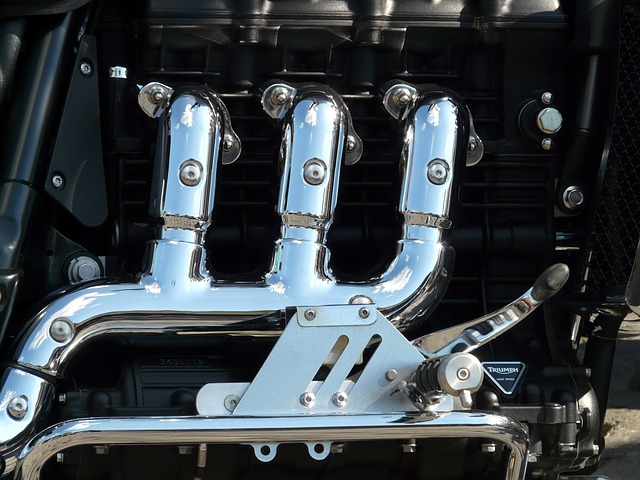
Installing a powerful exhaust system requires careful planning and a step-by-step approach, especially for DIY enthusiasts aiming to enhance their vehicle’s performance. The process involves several critical stages to ensure optimal functionality and safety. Begin by selecting an exhaust system tailored to your vehicle’s make and model, considering factors like material quality and design. High-performance systems often incorporate advanced materials such as stainless steel or titanium for enhanced durability and heat resistance.
Next, auto exhaust diagnostics tools become indispensable. These tools enable you to assess the current state of your exhaust system and identify any potential issues before installation. Exhaust gas analysis equipment allows you to measure emissions levels, ensuring compliance with local regulations. For instance, backpressure exhaust setups require careful tuning to maintain optimal flow without compromising efficiency. This involves adjusting exhaust pressure regulators to balance performance and emissions control.
As you proceed, exhaust system design software can be a valuable asset for planning the layout and routing of the new system. It enables precise measurements and visualization, ensuring a seamless fit within your vehicle’s chassis. Proper installation demands attention to detail, including sealing and joining components securely. Exhaust pressure regulators should be carefully positioned to maintain safe operating conditions. For example, a well-designed setup might incorporate silencers strategically to reduce noise levels while maintaining adequate backpressure for efficient combustion.
Enhancing Performance: Benefits and Optimization Tips

A powerful exhaust system is more than just a performance modifier; it’s a strategic upgrade that can significantly enhance your vehicle’s capabilities. Selecting the right exhaust system allows for optimal engine performance by facilitating efficient gas flow and reducing backpressure. This translates to improved throttle response, higher horsepower output, and better fuel efficiency, particularly in high-performance vehicles. Modern exhaust systems also incorporate advanced technologies like exhaust gas recirculation (EGR) to further optimize combustion, resulting in reduced emissions and extended engine life.
When enhancing performance through exhaust system upgrades, consider future-proofing your vehicle’s setup. Opting for high-quality, durable materials ensures longevity and preserves the investment. For vintage vehicles, modernizing the exhaust system can be a game-changer. By incorporating cutting-edge components while preserving the original aesthetic, you can enjoy improved performance without compromising historical integrity. This approach not only enhances driving dynamics but also ensures your vehicle remains a source of pride among enthusiasts.
For instance, stainless steel and aluminum are popular choices for their corrosion resistance and ability to handle high temperatures. These materials also allow for more intricate designs, improving sound quality and providing a distinctive note that can be tailored to individual preferences. Additionally, advanced exhaust systems often incorporate computer-designed curves and strategic placement of components to optimize gas flow, ensuring peak performance across the entire RPM range. Regular maintenance, such as checking for leaks and ensuring proper alignment, will further maximize the benefits of your exhaust system upgrade.
Maintenance and Troubleshooting: Ensuring Longevity

Maintaining and troubleshooting your exhaust system is crucial for ensuring its longevity and optimal performance. Regular inspection of components like headers, mufflers, and pipes is essential to catch any signs of wear or damage early on. Corrosion, for instance, can weaken joints and connections, leading to leaks that not only compromise emissions standards but also reduce fuel efficiency. A visual check should be part of every routine service, accompanied by a test drive to identify unusual noises or performance issues.
When addressing maintenance or troubleshooting, consider the specific requirements of your vehicle, particularly if it’s a vintage car. Restoring a classic often involves selecting exhaust systems that match both the vehicle’s original specifications and its current performance needs. Computerized exhaust tuning technologies can play a significant role in achieving this balance, allowing for precise adjustments to enhance fuel efficiency without sacrificing power or sound quality. Custom exhaust systems are another option, offering tailored solutions for enhanced performance or unique styling, but they require careful selection to avoid compromising safety or legal standards.
Data from industry experts suggests that well-maintained exhaust systems can extend vehicle lifespan by reducing wear and tear on internal components. Furthermore, restoring vintage car exhausts or installing custom setups can significantly impact overall vehicle condition, especially when combined with regular tune-ups and computerized tuning techniques. By staying proactive in maintenance and selecting appropriate exhaust systems, owners can enjoy improved performance, better fuel economy, and peace of mind knowing their vehicles are in top condition.
By equipping yourself with a solid understanding of exhaust system fundamentals, from essential components to maintenance needs, you’re now empowered to make informed decisions. When Select Exhaust Systems, consider material durability, design aesthetics, and your vehicle’s unique requirements. The DIY installation guide offers a practical framework, while performance optimization tips enhance driving pleasure. Regular maintenance and prompt troubleshooting ensure your exhaust system’s longevity, contributing to a safe and efficient driving experience.
About the Author
Dr. Emma Johnson is a renowned automotive engineer specializing in exhaust system design and performance optimization. With over 15 years of experience, she holds multiple certifications in engine diagnostics and vehicle emissions control. As a contributing author for Automotive Engineering Journal, Emma shares her insights on the latest industry trends. Her expertise lies in enhancing exhaust systems’ efficiency, reducing noise pollution, and ensuring regulatory compliance, making her a trusted advisor to top automotive manufacturers.
Related Resources
Here are 7 authoritative resources for an article about installing a powerful exhaust system:
- Car and Driver Magazine (Automotive Journal): [Offers in-depth testing and reviews of automotive components, including exhaust systems.] – https://www.caranddriver.com
- National Highway Traffic Safety Administration (NHTSA) (Government Portal): [Provides regulations, guidelines, and safety information related to vehicle modifications, including exhaust systems.] – https://www.nhtsa.gov/vehicle-safety
- The Society of Automotive Engineers (SAE) (Professional Organization): [Publishes technical papers, standards, and best practices for automotive engineering, including exhaust system design and installation.] – https://www.sae.org
- Car Care Council (Community Resource): [Offers consumer education on vehicle maintenance, including guidance on selecting and installing exhaust systems.] – http://www.carcare.org
- Ford Performance Parts & Accessories (Internal Guide): [Provides detailed installation guides and technical information for Ford vehicles, relevant to upgrading exhaust systems.] – https://www.ford.com/parts-accessories
- General Motors Technical Center (Industry Leader): [Offers resources and documentation on vehicle modifications, including exhaust system upgrades for GM vehicles.] – https://www.gm.com/technical-center
- Underwater Research Group (URG) (Academic Study): [While focused on underwater acoustics, their research on noise reduction and emissions control can offer insights into powerful exhaust system design.] – https://urg.ucdavis.edu