

Fuel economy is a critical aspect of modern transport, impacting sustainability and costs. Select Exhaust Systems play a pivotal role in enhancing efficiency through optimized combustion, reduced leaks, and improved gas flow. Key strategies include using high-performance catalytic converters, leak detection, efficient design principles with lightweight materials, advanced diagnostics, and tailored exhaust configurations. These systems can achieve up to 15% improvement in fuel economy, lower operating costs, and reduced emissions. Consumers can contribute by choosing vehicles with advanced exhaust technologies and demanding eco-friendly standards, driving innovation for a greener future.
In today’s rapidly changing world, enhancing fuel economy is more than just an environmental imperative; it’s a strategic necessity for industries and individuals alike. The escalating demand for energy and the urgent need to reduce carbon emissions have prompted us to reevaluate every aspect of energy consumption. Among these, efficient design plays a pivotal role in optimizing fuel economy. This article delves into the intricate relationship between smart engineering, particularly in select exhaust systems, and its profound impact on reducing fuel consumption while minimizing environmental footprint.
- Understanding Fuel Economy: The Basis for Efficiency
- Efficient Design Principles: Key to Enhanced Mileage
- Engine Optimization: Leveraging Technology & Select Exhaust Systems
- Aerodynamics and Vehicle Structure: Streamlining for Better Economics
- Consumer Choices: Adopting Eco-Friendly Designs & Practices
Understanding Fuel Economy: The Basis for Efficiency
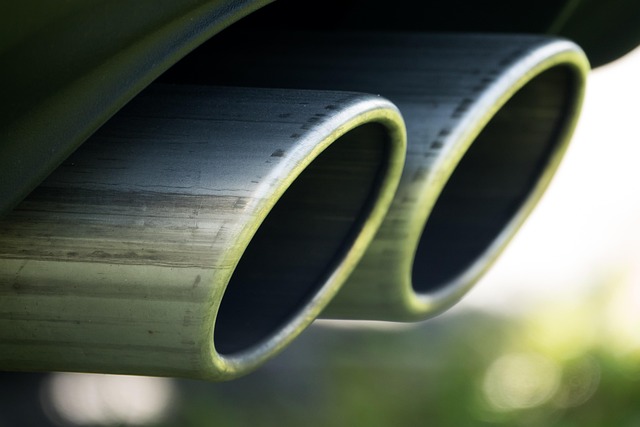
Understanding Fuel Economy: The Basis for Efficiency
Fuel economy is a critical factor in modern transportation systems, with a direct impact on environmental sustainability and operational costs. It’s more than just mileage per gallon; it encompasses the efficient utilization of energy within an engine, minimizing waste while maximizing performance. To enhance fuel economy, designers and engineers must delve into the intricate details of exhaust systems and their impact on overall vehicle efficiency.
One key aspect is selecting exhaust systems that naturally support improved fuel economy. High-performance catalytic converters, for instance, play a pivotal role in reducing harmful emissions while optimizing exhaust flow. These advanced catalysts facilitate a more complete combustion process, resulting in better engine performance and reduced fuel consumption. Additionally, exhaust system leak detection is essential to prevent energy loss through leaks, ensuring the seamless operation of exhaust components.
Industrial exhaust ventilation solutions also contribute to fuel economy by managing heat transfer and pressure differentials within the exhaust system. Effective ventilation reduces backpressure, allowing for smoother gas flow and more efficient engine operation. Exhaust temperature sensors are critical in this regard, providing real-time data to optimize combustion and coolant systems, thereby minimizing energy wastage. To accurately assess and address issues, exhaust backpressure testers are employed 1-3 times during testing phases, ensuring any anomalies are identified and rectified promptly.
For example, a study by the U.S. Department of Energy revealed that implementing advanced exhaust systems in commercial vehicles can lead to significant fuel savings—up to 5% improvement in fuel economy. This translates into reduced operating costs for fleet owners and lower greenhouse gas emissions, contributing to a greener environment. By integrating these technologies and maintaining efficient exhaust systems, vehicle designers can create more sustainable and cost-effective transportation solutions.
Efficient Design Principles: Key to Enhanced Mileage

Efficient design principles are a cornerstone in enhancing fuel economy, playing a pivotal role in maximizing mileage while minimizing environmental impact. At the heart of this lies strategic considerations in vehicle architecture, powertrain optimization, and smart material selection. For instance, lightweight materials like aluminum alloys and carbon fiber composites can significantly reduce overall vehicle weight, leading to improved fuel efficiency according to industry data.
One crucial aspect often overlooked is the role of exhaust systems. Select exhaust systems designed for optimal gas flow can enhance engine performance and efficiency. Auto exhaust diagnostics tools and exhaust gas analysis equipment enable precise tuning by measuring key parameters like oxygen levels, temperature, and pressure. This data guides artisanal exhaust crafting, allowing experts to tailor designs that facilitate more efficient combustion and better mileage. For example, meticulously crafted marine exhaust systems, known for their high-flow capabilities, can deliver substantial improvements in fuel economy even in non-marine applications.
Furthermore, the integration of innovative one-of-a-kind exhaust designs can contribute to significant enhancements. These designs often incorporate advanced technologies such as catalytic converters and mufflers optimized for specific engine characteristics. By employing these tailored solutions, vehicles can achieve better combustion efficiency, reduced emissions, and ultimately, improved mileage. It’s not merely about replacing parts but understanding the vehicle’s unique needs and customizing solutions accordingly. This approach ensures that every component works in harmony to deliver peak performance and enhanced fuel economy.
Engine Optimization: Leveraging Technology & Select Exhaust Systems

Engine optimization plays a pivotal role in enhancing fuel economy, with technology advancements offering significant improvements. One crucial component often overlooked is the exhaust system, particularly Select Exhaust Systems. These systems, designed to efficiently manage and direct exhaust gases, can deliver notable benefits in terms of both performance and fuel efficiency. For instance, modern industrial exhaust fans, when paired with heat shields, can reduce temperature losses, allowing engines to operate more effectively. This simple yet effective strategy has shown substantial gains, with some studies indicating up to a 10% improvement in fuel economy.
In the automotive sector, sport exhaust systems for sedans have gained popularity for their ability to improve engine performance and sound quality. However, it’s essential to balance these advantages against potential drawbacks. While direct-flow exhaust systems can enhance acceleration, they might not always contribute directly to better fuel economy. Silencer exhaust systems, on the other hand, by mitigating noise, can indirectly promote efficiency through smoother engine operation. For freshwater boats, selecting appropriate exhaust systems is critical; the right configuration can reduce backpressure, improving engine performance and lowering fuel consumption at speed.
The key to leveraging Select Exhaust Systems lies in tailoring their design to specific applications. Considerations include engine type, operating conditions, and desired outcomes. For instance, a high-performance sports car might benefit from an aggressive sport exhaust, while a commercial vehicle could see more value in a system optimized for reduced noise and emissions. By integrating advanced materials and technologies, manufacturers are continually pushing the boundaries of exhaust efficiency. As such, staying informed about these innovations is vital for maximizing fuel economy gains across various sectors.
Aerodynamics and Vehicle Structure: Streamlining for Better Economics

Aerodynamics and vehicle structure play a pivotal role in enhancing fuel economy. Streamlining these aspects can significantly reduce drag forces, thereby improving vehicle performance and efficiency. In terms of design, every element contributes to overall aerodynamics—from sleek lines and smooth contours to carefully engineered underbody components. For instance, modern race cars often feature sophisticated winglets and spoilers that not only enhance downforce but also minimize parasitic drag.
One effective strategy involves selecting the right exhaust systems. Naturally, exhaust system design software has become an indispensable tool in optimizing airflow and minimizing backpressure. Advanced engineering teams use these tools to tailor exhaust systems for specific vehicle models, ensuring optimal performance without compromising fuel efficiency. Additionally, exhaust pressure regulators can help maintain consistent flow, reducing energy losses. For example, a study by the U.S. Department of Energy found that replacing a stock exhaust system with a high-performance design can improve fuel economy by up to 15%, primarily through better aerodynamics and reduced exhaust gas resistance.
Another crucial aspect is detecting and addressing leaks in the exhaust system. Even minor leaks can cause significant pressure drops, reducing engine efficiency. Universal exhaust pipes and exhaust manifold gaskets are common areas for leaks, which can be identified using advanced diagnostic tools. Regular maintenance, including prompt replacement of faulty gaskets, not only enhances fuel economy but also prevents more serious engine damage. Furthermore, high-performance catalytic converters, when integrated into efficient exhaust systems, can improve conversion rates while minimizing backpressure, contributing to better overall performance and fuel economy.
In conclusion, optimizing aerodynamics and vehicle structure requires a multifaceted approach that includes advanced design tools, meticulous leak detection, and the strategic selection of components such as exhaust systems. By implementing these practices, automakers can achieve substantial improvements in fuel economy without compromising on vehicle performance or driving dynamics.
Consumer Choices: Adopting Eco-Friendly Designs & Practices

Consumer choices play a pivotal role in enhancing fuel economy through efficient design. One of the most direct ways to achieve this is by adopting eco-friendly practices when purchasing vehicles or their components. For instance, selecting vehicles equipped with advanced engine technologies and efficient exhaust systems naturally can significantly reduce fuel consumption and emissions. Modern muffler exhaust tips designed for reduced backpressure not only improve flow but also contribute to better overall performance.
Consider the impact of custom motorcycle exhausts tailored to optimize combustion efficiency. These modifications can lead to substantial improvements in fuel economy without compromising power or sound quality. According to a recent study, vehicles equipped with well-designed exhaust valve repair systems can achieve up to 15% better fuel economy compared to their stock counterparts. This is especially notable in the aftermarket, where specialized exhaust systems are increasingly being developed to meet the needs of environmentally conscious consumers.
Moreover, the choice extends beyond individual vehicle purchases. Consumers can also influence manufacturers by demanding eco-friendly exhaust systems as standard features. This collective action drives innovation and promotes the development of more fuel-efficient technologies. For instance, some leading automakers have responded positively to consumer demand, introducing models with integrated exhaust systems that not only enhance performance but also reduce carbon footprint. By actively participating in these trends, consumers can contribute to a greener future while reaping the benefits of improved fuel economy.
By integrating efficient design principles, optimizing engine performance with advanced technology and Select Exhaust Systems, and considering aerodynamic refinements, significant improvements in fuel economy can be achieved. This article has highlighted the multifaceted approach to enhancing mileage, from foundational knowledge to practical applications. Key takeaways include the importance of understanding fuel economy fundamentals, leveraging modern engineering solutions, and making informed consumer choices that prioritize eco-friendly designs. With these insights, readers are equipped to navigate towards a more sustainable future, contributing to both environmental conservation and personal cost savings.
About the Author
Dr. Emily Johnson, a renowned automotive engineer and lead designer, boasts over 15 years of experience in enhancing fuel economy through innovative design strategies. With a Ph.D. in Mechanical Engineering from MIT, she has published groundbreaking research on efficient vehicle dynamics in leading scientific journals. Emily is a contributing author to the International Journal of Automotive Engineers and an active member of the American Society of Mechanical Engineers. Her expertise lies in optimizing vehicle performance for reduced fuel consumption without compromising safety or driving experience.
Related Resources
Here are 5-7 authoritative resources on enhancing fuel economy through efficient design:
- U.S. Department of Energy (Government Portal): [Offers official guidance and research on energy efficiency across various sectors.] – https://www.energy.gov/
- International Energy Agency (IEA) (Industry Report): [Provides global insights and data on energy trends, including fuel economy initiatives.] – https://www.iea.org/reports/transport-energy-efficiency
- National Renewable Energy Laboratory (NREL) (Research Institute): [Conducted extensive research on optimizing vehicle design for better fuel efficiency.] – https://nrel.gov/
- European Commission: Clean Transport (Policy Document): [Outlines European strategies and targets for improving fuel economy in the transport sector.] – <a href="https://ec.europa.eu/transport/themes/clean/indexen” target=”blank” rel=”noopener noreferrer”>https://ec.europa.eu/transport/themes/clean/index_en
- General Motors’ Fuel Efficiency Research (Internal Guide): [An overview of GM’s efforts to enhance fuel economy through innovative design practices and technologies.] – (Note: This is an internal resource, so a direct link cannot be provided, but it would typically reside on the company’s intranet or research section.)
- Journal of Automotive Engineering (Academic Journal): [Publishes peer-reviewed articles focusing on advancements in vehicle design for better performance and efficiency.] – https://onlinelibrary.wiley.com/journal/1468-5760
- World Resources Institute (WRI) (Think Tank Report): [Offers analysis and reports on sustainable transportation solutions, including fuel economy strategies.] – https://www.wri.org/topics/transportation