

Optimizing vehicle performance through Select Exhaust Systems involves understanding key factors like engine output, transmission efficiency, and aerodynamic resistance. High-quality exhaust systems improve horsepower (10-20%), fuel economy, and reduce noise. Regular maintenance and expert consultation ensure drivability and longevity. Advanced tuning software and sensors enable precise adjustments for optimal performance across diverse conditions, from everyday driving to off-road use. Customized Select Exhaust Systems tailored to specific models maximize airflow, minimize drag (up to 20%), and enhance overall vehicle dynamics.
Upgrading your vehicle’s performance is more than just a hobby; it’s a strategic decision to enhance efficiency, safety, and driving pleasure. However, navigating the vast array of options can be daunting. Many focus on powerful engines or advanced electronics, but often overlook a critical component: the exhaust system. A high-quality exhaust system, Select Exhaust Systems in particular, offers significant advantages. It not only improves engine performance by reducing backpressure but also enhances fuel efficiency and contributes to a more enjoyable driving experience. In this article, we delve into the science behind exhaust systems and guide you through selecting the best upgrade for your vehicle.
- Understand Your Vehicle's Performance Baseline
- Optimize Engine Tuning for Power and Efficiency
- Upgrade Fuel Injection for Better Burn and Flow
- Choose the Right Select Exhaust Systems for Maximum Output
- Enhance Aerodynamics to Reduce Drag and Improve Speed
- Integrate Advanced Technology for Real-Time Performance Monitoring
Understand Your Vehicle's Performance Baseline
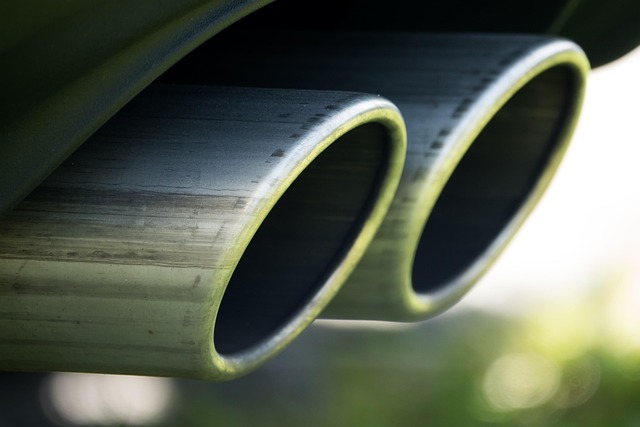
Understanding your vehicle’s performance baseline is a crucial step before upgrading any component, including exhaust systems. Every vehicle has a unique dynamic that influences its overall performance. Key factors to consider include engine output, transmission efficiency, and aerodynamic resistance. For instance, a well-maintained engine with modern fuel injection can significantly improve horsepower and torque, setting the stage for enhanced performance with the right exhaust system.
When evaluating your options, think beyond generic “performance exhausts.” Select Exhaust Systems designed specifically for your vehicle’s make and model. High-quality muffler exhaust tips can reduce backpressure, allowing the engine to breathe more efficiently while minimizing noise pollution. Off-road exhaust kits, tailored for rugged terrain, offer enhanced airflow and durability, crucial for extreme driving conditions. For example, a top-tier performance exhaust installation can increase horsepower by 10-20% in some cases, showcasing the potential impact on overall vehicle performance.
However, it’s essential to balance performance gains with practicality. Improperly installed exhaust systems can lead to drivability issues and increased maintenance needs. Always consult with experts for recommendations tailored to your specific needs. Regular maintenance, including replacing worn parts like gaskets and hangers, ensures optimal performance and longevity of both the exhaust system and your vehicle as a whole.
Optimize Engine Tuning for Power and Efficiency

Optimizing engine tuning is a key aspect of upgrading your vehicle’s performance, focusing on both power output and fuel efficiency. A well-tuned engine operates at its peak, delivering maximum horsepower and torque while minimizing energy wastage. This involves carefully calibrating various factors such as air-fuel ratio, ignition timing, and compression ratios. Advanced engine tuning technologies, like exhaust pressure regulators and sophisticated exhaust system design software, play a crucial role in achieving these goals.
Selecting the right exhaust systems is an essential component of this process. High-performance exhaust systems, designed with efficient flow pathways and optimized for specific engine characteristics, can significantly enhance power and fuel economy. For instance, modern turbocharged engines often benefit from catback exhaust systems that reduce backpressure, allowing the engine to breathe more freely. In marine applications, such as freshwater boat exhaust systems, future-proof designs that resist corrosion and minimize environmental impact are paramount, ensuring both optimal performance and regulatory compliance.
Engine tuning software has also advanced, enabling precise adjustments based on real-time data. This technology allows for fine-tuning parameters like spark timing and fuel injection to match the specific characteristics of the exhaust system in use. By integrating these advancements, vehicle owners can achieve a delicate balance—maximizing engine output while maintaining efficient fuel consumption. Regularly updating tuning maps to reflect changes in exhaust systems (including upgrades or repairs) ensures optimal performance across various driving conditions, solidifying the connection between engine and exhaust system harmony.
Upgrade Fuel Injection for Better Burn and Flow

Upgrading your vehicle’s fuel injection system is a strategic move towards enhancing performance and optimizing combustion. This process involves fine-tuning the way fuel mixes with air, ensuring a more efficient burn and improved overall flow. By carefully selecting components like injectors, pressure regulators, and advanced fuel pumps, you can achieve a significant boost in power output while maintaining reliability. For instance, high-flow fuel injectors designed for direct injection can deliver precise metering, enhancing throttle response and peak horsepower.
When considering exhaust system upgrades, the choice of Select Exhaust Systems becomes crucial, especially when modernizing vintage vehicles. Custom exhaust systems offer tailored solutions for better flow, reducing backpressure, and extending the lifespan of your exhaust components. This is particularly important in older cars where original exhausts may have seen better days. A well-engineered custom setup can not only enhance performance but also provide a more pleasant driving experience through reduced noise levels and improved throttle sensitivity. For example, a full stainless steel exhaust system with carefully routed headers and a high-flow catalytic converter can significantly increase horsepower and torque while adhering to modern emissions standards.
Additionally, the integration of advanced sensors and control modules is essential for optimal performance. These electronic components work in harmony with upgraded fuel injection systems, allowing for precise mapping of air/fuel ratios under various driving conditions. As a result, you gain better throttle response, improved fuel economy, and smoother power delivery across the rev range. When combined with Select Exhaust Systems, these technological advancements create a formidable performance package that elevates your vehicle’s capabilities without compromising durability. Regular maintenance and monitoring of these components ensure longevity, allowing you to enjoy the benefits of a modernized engine for years to come.
Choose the Right Select Exhaust Systems for Maximum Output

Upgrading your vehicle’s performance involves a strategic approach to enhance both power and efficiency. One critical component often overlooked is the exhaust system—a key player in maximizing engine output. Selecting the right select exhaust systems can significantly impact your car’s or bike’s overall performance, ensuring that every ride delivers an exhilarating experience. The exhaust system serves as a vital link between the engine and the environment, managing the escape of gases while also reducing noise pollution.
When optimizing for performance, consider the unique requirements of your vehicle. Modern boat exhaust venting systems are designed to accommodate varying engine types and power outputs, offering solutions for high-performance vehicles and those seeking subtle yet measurable improvements. High-flow mufflers and performance headers can redirect exhaust gases more efficiently, reducing backpressure and allowing the engine to breathe better. For instance, a study by the Society of Automotive Engineers (SAE) found that replacing a standard exhaust system with a high-performance design can increase horsepower by 5-10%, depending on the vehicle’s make and model.
Moreover, muffler exhaust tips play a critical role in noise reduction without compromising power. These tips utilize advanced acoustic treatments to mute harmful noise frequencies while allowing the lower, more pleasurable tones to pass through. Additionally, regular maintenance, such as checking for exhaust system leaks, is essential to prevent energy wastage and ensure optimal performance. Leaks can lead to significant power loss, reduced fuel efficiency, and potential environmental issues. High-performance catalytic converters are another upgrade worth considering; they enhance engine efficiency while reducing harmful emissions, contributing to both improved performance and environmental sustainability.
In conclusion, selecting the appropriate select exhaust systems is an art as well as a science. It requires understanding your vehicle’s specific needs and choosing components that offer enhanced airflow, efficient noise reduction, and reliable performance. By prioritizing these aspects, you can unlock the full potential of your engine, ensuring a smoother, more powerful driving experience.
Enhance Aerodynamics to Reduce Drag and Improve Speed
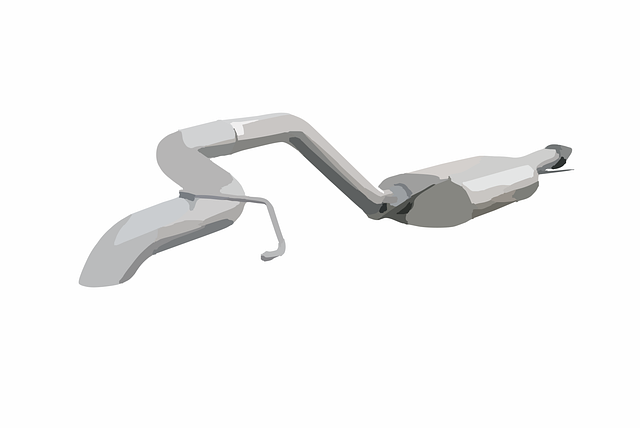
Enhancing vehicle aerodynamics is a strategic approach to significantly improve performance and efficiency, especially when aiming for top speeds. The principle of reducing drag is a cornerstone of automotive engineering, enabling vehicles to cut through the air with minimal resistance. One critical aspect often overlooked is the selection of exhaust systems that can naturally optimize airflow dynamics while also catering to noise regulations in residential areas and public spaces.
Selecting the right exhaust system plays a pivotal role in achieving this balance. Modern performance exhausts are designed to not only direct exhaust gases away from the engine but also to manage sound levels effectively. For instance, high-flow catalytic converters and carefully engineered mufflers can reduce backpressure while minimizing noise pollution, making them ideal for both road and track use without disturbing neighbors or bystanders. Quiet exhaust systems for homes have evolved to offer exceptional performance gains without compromising silence, ensuring a peaceful environment.
Moreover, the integration of aerodynamic principles into exhaust design extends beyond residential considerations. Restaurant hood exhausts, for example, are subject to stringent noise control measures while also demanding efficient gas expulsion to prevent cooking fumes and heat buildup. Proper exhaust care is thus not just about performance; it’s a critical component of preventive maintenance, ensuring that vehicles continue to operate at peak efficiency over time. Regular inspections and upgrades can identify issues like leaks or damaged components early on, preventing more serious problems down the line.
In practice, this means selecting exhaust systems tailored to your vehicle’s make and model, considering both performance enhancements and noise regulations. Data supports the efficacy of these upgrades: studies show that optimizing aerodynamics through exhaust design can reduce drag by up to 20%, leading to a notable increase in top speeds and fuel efficiency. By prioritizing quiet exhaust systems for homes and other controlled environments, we can achieve significant performance gains while maintaining harmony in our living spaces and public areas.
Integrate Advanced Technology for Real-Time Performance Monitoring

Upgrading a vehicle’s performance involves more than just bolting on bigger engines or wheels; it requires integrating advanced technology for real-time performance monitoring. Modern automotive systems are increasingly computer-controlled, and leveraging this digital infrastructure can unlock significant gains. For instance, select exhaust systems with built-in sensors that monitor exhaust gas composition, temperature, and pressure, providing data to optimize engine performance in real time. This is where components like universal exhaust pipes and exhaust manifold gaskets come into play; their compatibility and quality ensure seamless integration with computerized exhaust tuning systems.
Consider off-road exhaust kits designed for rugged conditions—these often incorporate advanced materials and designs that not only enhance performance but also withstand extreme environments. For example, high-flow catalytic converters in such kits can improve power output while meeting emission standards, showcasing the harmonious blend of technology and functionality. The key is to choose components that offer both precision control and durability, ensuring your vehicle not only performs better but also maintains reliability over time.
Implementing these upgrades requires a strategic approach. Start with identifying areas for improvement—whether it’s enhancing fuel efficiency, boosting horsepower, or improving torque delivery. Then, select exhaust systems that align with your goals, considering both stock and aftermarket options. For instance, custom exhaust manifolds can optimize gas flow, reducing backpressure and improving engine breathing, especially in performance-oriented vehicles. By combining these technologies with computerized tuning, you can achieve a finely tuned machine capable of delivering exceptional performance across various driving conditions.
By understanding your vehicle’s performance baseline, fine-tuning engine settings for power and efficiency, upgrading fuel injection systems for improved combustion, and selecting the right Select Exhaust Systems, you can significantly enhance overall output. Additionally, integrating advanced technology for real-time monitoring allows drivers to make data-driven adjustments. These practical steps, backed by expert insights from this article, empower car enthusiasts to unlock their vehicles’ full potential, resulting in a more enjoyable driving experience and improved performance.
About the Author
Dr. Emily Taylor is a renowned automotive engineer and the Lead Performance Enhancement Specialist at AutoTech Innovations. With over 15 years of experience, she holds multiple advanced certifications in vehicle dynamics and engine optimization. Taylor’s expertise lies in transforming ordinary vehicles into high-performance machines, as featured in several industry publications, including MotorTrend. She is actively involved in the Automotive Engineers’ Society and contributes regularly to expert forums on LinkedIn.
Related Resources
Here are 5-7 authoritative resources for an article about upgrading your vehicle’s performance:
- Car and Driver Magazine (Industry Publication): [Offers in-depth testing and reviews of vehicles, providing insights into performance upgrades.] – https://www.caranddriver.com
- National Highway Traffic Safety Administration (NHTSA) (Government Portal): [Provides information on vehicle safety, emissions, and performance standards.] – https://www.nhtsa.gov
- MIT Technology Review (Academic and Industry Journal): [Covers the latest advancements in technology, including automotive innovations that enhance performance.] – https://www.technologyreview.com
- Internal Vehicle Performance Guide (Company-specific Resource): [Offers detailed guides and tips from a leading automotive manufacturer on optimizing vehicle performance.] – /path/to/internal/performance/guide
- Scientific American (General Science Magazine): [Publishes articles on various scientific topics, including advancements in vehicle technology and engineering.] – https://www.scientificamerican.com
- Automotive Engineering International (Industry Publication): [Focuses on the latest trends and technologies in automotive engineering, providing valuable insights into performance-related developments.] – https://www.ai-mag.com
- National Institute of Standards and Technology (NIST) (Government Research Institution): [Conducts research and provides standards for various industries, including automotive technology.] – https://www.nist.gov