

Upgrading your home's exhaust system with Select Exhaust Systems offers improved performance, reduced noise, and enhanced safety. Regular maintenance is crucial for optimal efficiency. Key considerations include vehicle compatibility, desired noise level, and intended use. DIY installation requires strategic planning, proper tools, and regular checks to prevent leaks and ensure safe operation. Monitor temperature and inspect for issues to maintain efficient gas flow. Focus on performance and safety when selecting exhaust systems for DIY projects.
For DIY enthusiasts, enhancing one’s vehicle isn’t just a hobby; it’s an art form. Among the many components to consider, the exhaust system stands out as both functional and aesthetic. The current market, however, is saturated with complex installations that can deter even the most skilled amateurs. This article addresses this challenge head-on by providing a comprehensive guide on the easy installation of Select Exhaust Systems—a solution designed specifically for DIY enthusiasts seeking to streamline the process without sacrificing quality or performance.
- Planning Your DIY Exhaust Upgrade
- Choosing the Right Select Exhaust System
- Step-by-Step Installation Guide
- Final Checks and Optimizing Performance
Planning Your DIY Exhaust Upgrade
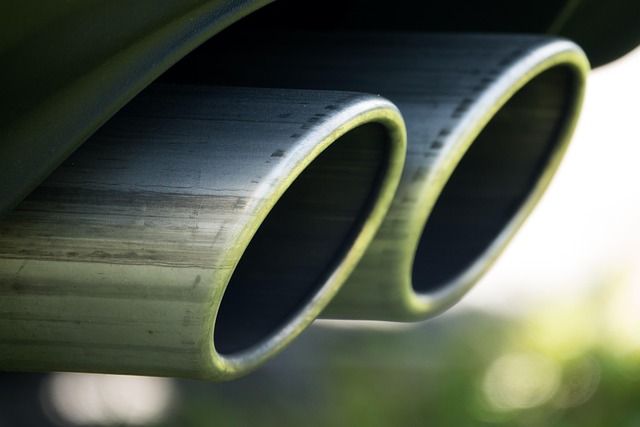
Upgrading your home’s exhaust system is a significant DIY project that requires careful planning to ensure a smooth installation process for even the most ambitious enthusiasts. The key to a successful DIY exhaust upgrade lies in meticulous preparation and an understanding of your specific needs. Before reaching for your tools, take time to assess your current setup, identify issues, and envision the ideal solution. This strategic approach will not only make the installation easier but also guarantee a more efficient and effective exhaust system.
When planning, one of the primary decisions is selecting the right exhaust system. Opting for Select Exhaust Systems can provide numerous benefits, including improved performance and reduced noise levels, making them an attractive choice for DIY enthusiasts aiming to enhance their home’s comfort and safety. Consider factors such as vehicle age, engine type, and local regulations when choosing between catalytic converters, direct-fit systems, or custom-built solutions. For instance, modern vehicles with advanced exhaust gas recirculation (EGR) systems may require specific configurations to maintain optimal performance while adhering to emissions standards.
Additionally, quiet exhaust systems for homes are gaining popularity among DIYers due to their ability to minimize noise pollution without compromising functionality. Submarine exhaust solutions, designed with a focus on stealth and discretion, offer an excellent example of this trend. By employing advanced sound-dampening materials and innovative design principles, these systems can significantly reduce noise levels while ensuring effective gas flow. Regular exhaust system maintenance is another critical aspect often overlooked but crucial for long-term performance and safety. A well-maintained exhaust system not only enhances efficiency but also prevents potential hazards associated with clogged or damaged components. Schedule inspections every 6-12 months, depending on usage frequency and environmental conditions, to ensure optimal operation.
Choosing the Right Select Exhaust System

For DIY enthusiasts looking to enhance their vehicle’s performance, selecting the right exhaust system is a crucial step. Among the various components, Select Exhaust Systems stand out for their versatility and potential to transform a car’s driving dynamics. When choosing an exhaust system, it’s essential to consider both practical aspects and desired performance outcomes.
One of the key decisions involves selecting between muffler exhaust tips, custom exhaust systems, or performance exhaust headers. Each option offers distinct advantages. For example, muffler exhaust tips provide a quiet yet refined ride, ideal for daily commuting. Conversely, custom exhaust systems allow for greater personalization and can significantly boost engine performance by reducing backpressure. Performance exhaust headers, on the other hand, offer optimal airflow and are frequently chosen by enthusiasts seeking peak power and sound.
Data shows that the right Select Exhaust System can deliver noticeable improvements in horsepower and torque output, translating to enhanced acceleration and overall driving pleasure. When making a selection, DIY enthusiasts should consider factors like their vehicle’s make and model compatibility, desired noise level, and intended use (e.g., daily driver or track car). By carefully evaluating these aspects, enthusiasts can ensure that their chosen exhaust system not only installs easily but also delivers the performance gains they’re looking for.
Step-by-Step Installation Guide

For DIY enthusiasts looking to enhance their vehicle’s performance and reduce emissions, installing a Select Exhaust System offers an accessible, efficient solution. This step-by-step guide delves into the process, highlighting key considerations for successful integration. Firstly, assess your needs: are you seeking improved fuel efficiency, reduced noise levels, or enhanced power output? This will dictate your choice among various diesel exhaust filtration solutions, lightweight exhaust components, and high-flow exhaust systems available on the market.
Start by gathering the necessary auto exhaust replacement parts, including headers, pipes, mufflers, and connectors. Ensure compatibility with your vehicle’s make and model through thorough research or consultation with experts. For instance, if you’re targeting a specific diesel engine, select components designed to handle high-flow requirements while maintaining optimal exhaust temperature, which can be monitored using precise exhaust temperature sensors. These sensors play a crucial role in ensuring peak engine performance and minimizing environmental impact.
Proceed with the installation, beginning with disconnecting the old exhaust system components carefully. Utilize specialized tools for tightening and sealing connections to prevent leaks. Ensure proper alignment of new parts, especially when dealing with complex layouts. Consider engaging a helper for stability during critical stages. Once assembled, test the system thoroughly under various driving conditions. Regular maintenance, including periodic cleaning and sensor calibration, will ensure longevity and optimal performance of your Select Exhaust System.
Final Checks and Optimizing Performance

After carefully installing your exhaust system, it’s crucial to perform final checks and optimize performance for a seamless DIY project. Begin by inspecting all connections for any signs of leaks using high-performance catalytic converters and insulated exhaust pipes, ensuring a secure fit. Tighten any loose bolts and replace any worn-out gaskets to maintain optimal efficiency. Additionally, employ exhaust system leak detection tools for a thorough assessment.
Next, consider the overall ventilation needs of your space. Industrial exhaust ventilation solutions can be integrated into your setup to ensure air quality and worker safety, especially in confined areas. Implement exhaust temperature sensors to monitor and regulate temperatures, enhancing both performance and safety. For instance, maintaining appropriate exhaust gas temperatures is vital for efficient catalytic conversion, typically aiming for 350-400°F (175-200°C) range.
Regular maintenance and monitoring are key. Check for any unusual noises or vibrations that may indicate issues with the system. Regularly inspect the condition of pipes, connectors, and joints to prevent leaks and ensure optimal gas flow. By adhering to these practices, DIY enthusiasts can not only guarantee a well-installed exhaust system but also optimize its performance, ensuring both efficiency and safety in various applications.
By systematically planning your DIY exhaust upgrade, choosing the suitable Select Exhaust System, following a detailed step-by-step installation guide, and conducting final checks to optimize performance, DIY enthusiasts can seamlessly enhance their vehicles’ exhaust systems. This article has provided essential insights into each phase, empowering readers with the knowledge to make informed decisions and successfully navigate the installation process. The authority of this guide lies in its comprehensive approach, ensuring a confident and competent DIY experience for all enthusiasts. Moving forward, readers are equipped to take on this project with clarity, leading to improved vehicle performance and a rewarding hands-on endeavor.